
I. Introduction
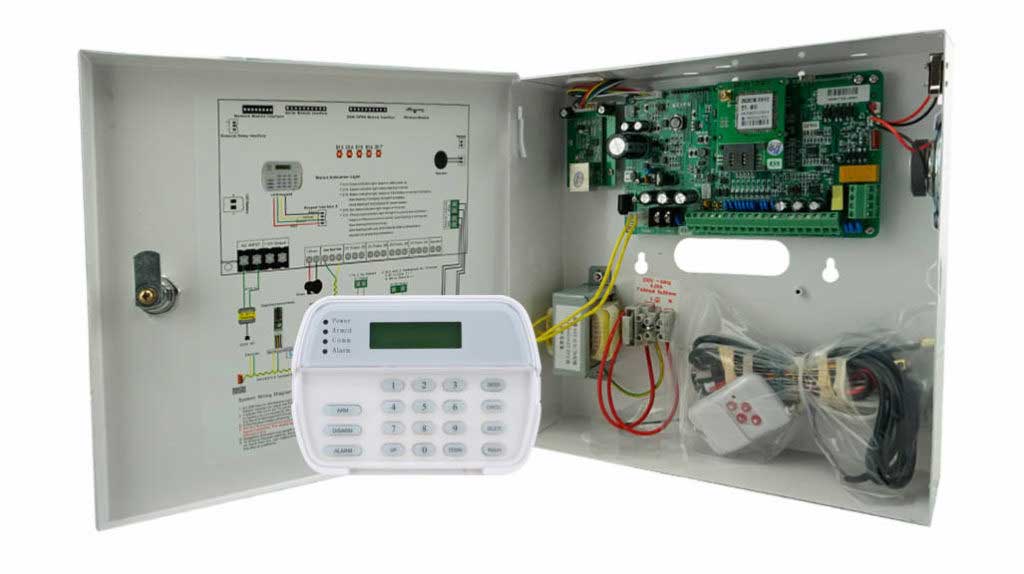
Commercial facilities—from retail stores and logistics hubs to office buildings—operate on diverse schedules that often change by the week or season. Without properly programmed arming schedules, even the most advanced commercial burglar alarm systems can become inefficient, leading to unarmed premises during off-hours, increased false alarms, or unnecessary security staff intervention.
This technical guide provides a detailed, step-by-step walkthrough on how to program custom arming schedules that align with business operations. By optimizing automated arming and disarming routines, organizations can reduce manual errors, improve compliance, and achieve more consistent perimeter and interior protection.
II. Understanding Arming Schedules in Commercial Burglar Alarm Systems
What Are Arming Schedules?
Arming schedules are programmable timers that automatically switch a burglar alarm system into modes such as Armed Away, Armed Stay, Disarmed, or Partial Arm based on predefined times. Instead of relying on staff to manually arm the system, the panel follows the business timetable with precision.
Why Commercial Systems Require More Complex Scheduling
Unlike residential solutions, commercial burglar alarm systems often include:
- Multiple zones (retail front, warehouse, offices)
- Varied employee shifts and cleaning crews
- Access-control integrations
- Perimeter and interior protection layers
- Compliance-driven logging and reporting
A small office may require only two arming periods per day, while a 24/7 warehouse or multi-tenant building may require zone-specific or event-based scheduling.
Key Components of Arming Schedules
A professionally programmed commercial alarm schedule typically includes:
- Time-Based Timers (daily, weekly, monthly)
- Holiday or Exceptional Day Overrides
- Zone-Specific Arming Logic
- Integration with User Codes or Access Control Events
- Fail-Safe or Auto-Arm Features
Standards and Industry Guidance
Authorities such as UL and ESA provide frameworks on alarm system architecture, emphasizing reliability.
For example, UL 681 – Installation and Classification of Burglar and Holdup Alarm Systems outlines requirements for commercial applications, helping integrators ensure consistent security performance.
III. Step-by-Step Guide to Programming Custom Arming Schedules
1. Preparation: System Review and Required Tools
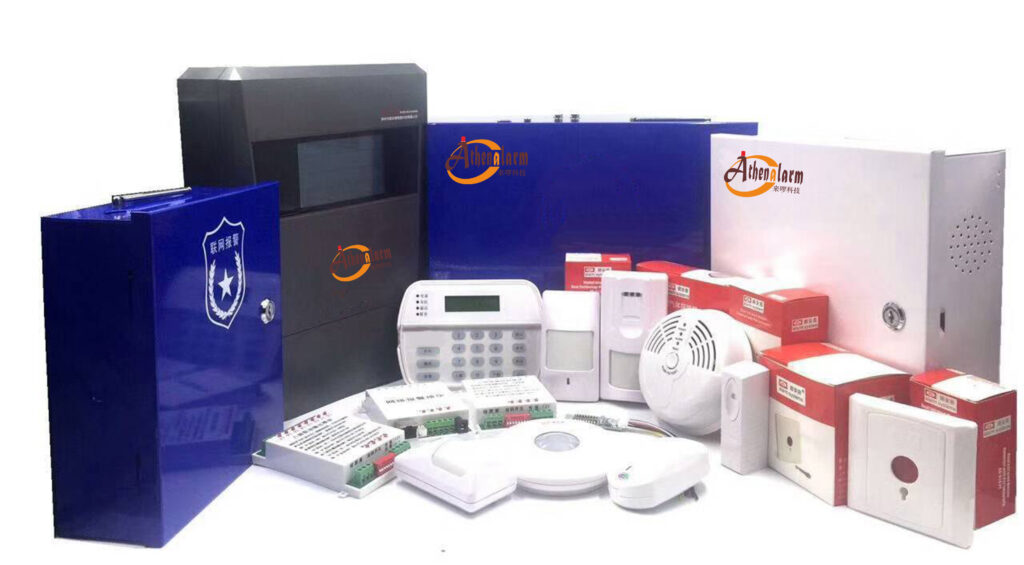
Before programming, verify whether your commercial burglar alarm system supports advanced scheduling. Most enterprise panels—such as Bosch G Series, Honeywell Vista commercial lines, DSC PowerSeries Pro, and Texecom Premier systems—offer comprehensive timer functions.
You will typically need:
- Installer or master programming code
- Alarm panel keypad or touchscreen
- PC-based configuration software (e.g., Compass, RPS, DLS)
- Mobile/cloud management apps (depending on panel model)
- Accurate business operating hours and exception calendars
Check firmware version and device compatibility before making changes.
2. Accessing the Programming Interface
The exact steps vary by manufacturer, but the workflow is generally:
- Enter installer mode
- Example:
*8 + Installer Code(DSC) - Example:
4112 + 800(Honeywell Vista series)
- Example:
- Navigate to Schedules, Timers, or Panel Programming menus
- Select Arming/Disarming Schedule or Auto-Arm Settings
Technicians should verify that all programming is logged and protected by adequate permissions to prevent unauthorized adjustments.
3. Setting Basic Daily or Weekly Arming Schedules
A typical programming sequence includes:
- Specify Start Time and End Time
- Choose Days of the Week
- Assign Mode (Armed Away, Armed Stay, Disarmed)
- Select applicable zones or partitions
Example menu path (generic):Menu > Schedules > Arming > Create Schedule > Set Time > Assign Partition
Common commercial use cases include:
- Automatically arming after employees leave (e.g., 19:00)
- Disarming before staff arrival (e.g., 07:30)
- Using separate timers for warehouses, offices, and loading bays
4. Adding Advanced Customizations
a. Event-Based Arming
Some panels allow arming based on system events such as:
- Door contact closing
- Access card swipes
- Motion inactivity periods
This is useful for operations with irregular hours.
b. Holiday or Special Day Overrides
Import or manually program holiday calendars to prevent auto-disarm on days when the business is closed.
For example:Menu > Schedules > Exceptions > Add Holiday
c. Zone or Partition-Specific Scheduling
Large enterprises often arm perimeter zones earlier than interior zones. Multi-tenant buildings require unique partition schedules for each occupant.
d. Conflict Identification
Modern software provides warnings for:
- Overlapping schedules
- Invalid zone assignments
- Time zone misconfiguration
- Access-control conflicts
5. Testing and Verification
Before deployment:
- Run simulations to ensure correct arm/disarm transitions
- Review logs to confirm schedule activation
- Check integration points such as access control and CCTV
- Validate daylight-saving time settings
- Notify on-site staff about schedule updates
A final verification ensures the system performs predictably without disrupting business operations.
IV. Best Practices and Advanced Considerations
Strengthening Security Through Permissions
Limit schedule-editing rights to administrators. Unauthorized schedule changes can expose facilities to risks.
Standards, Integration, and Compliance
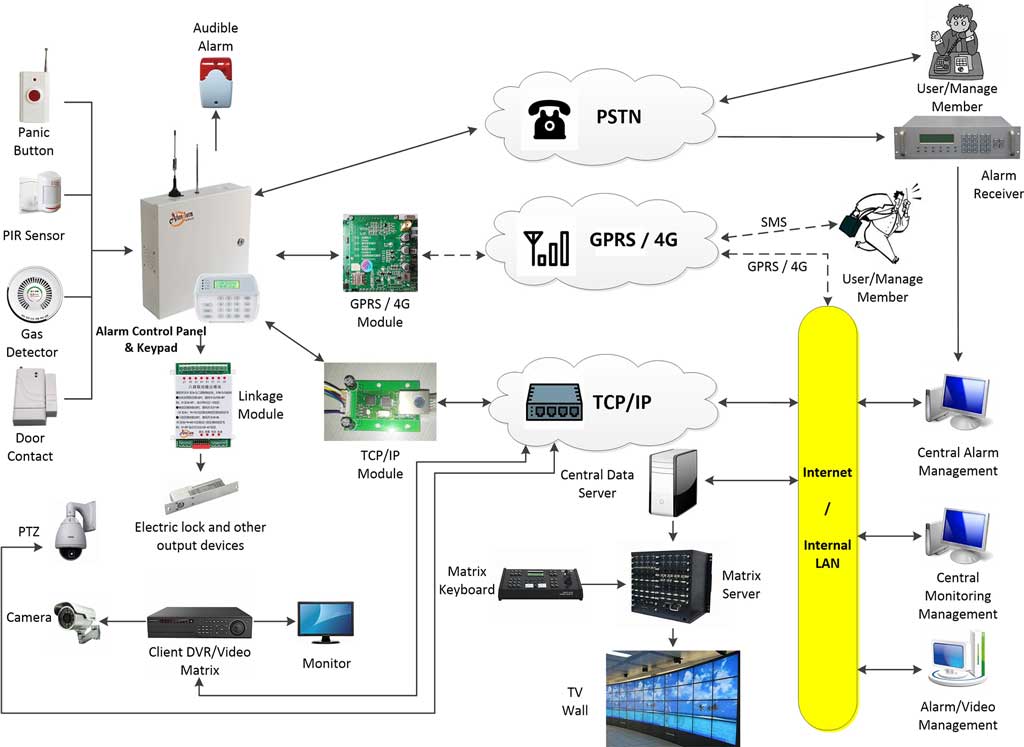
While burglar alarm scheduling is not explicitly dictated by NFPA 72, many commercial buildings integrate fire, intrusion, and access systems. Aligning burglar alarm scheduling with fire safety rules and emergency protocols ensures operational harmony in complex facilities.
Reducing False Alarms Through Intelligent Scheduling
Use adaptive strategies such as:
- Reviewing arming logs monthly
- Adjusting timers based on seasonal business hours
- Using analytics from cloud-based monitoring platforms
Scalability for Enterprise Deployments
Procurement teams evaluating commercial burglar alarm systems should ensure:
- Multi-site schedule replication capability
- Centralized cloud management
- Support for bulk configuration uploads
- Remote diagnostics and automated reporting
These features reduce overhead for large-scale rollouts.
V. Common Challenges and Troubleshooting
1. Failed Schedule Overrides
Cause: Incorrect holiday calendar or conflicting daily schedules.
Fix: Reorder priority or manually test override behavior.
2. Software or Firmware Limitations
Cause: Outdated panel firmware blocking advanced scheduling features.
Fix: Update firmware or apply manufacturer patches.
3. Time Zone or DST Errors
Cause: Misaligned system clock leads to incorrect arming times.
Fix: Sync clock with network time or adjust manually.
4. Legacy System Integration Problems
Cause: Older panels may not communicate with new access controllers.
Fix: Use manufacturer integration modules or migrate to modern platforms.
Preventive measures include quarterly audits, technician training, and maintaining current documentation.
VI. Conclusion
Custom arming schedules are essential for aligning commercial burglar alarm systems with real-world business operations. When programmed correctly, they minimize human error, reduce false alarms, and ensure consistent after-hours protection.
Security integrators, product teams, and procurement professionals can leverage these techniques to build scalable, reliable security infrastructures suitable for modern commercial environments. Staying current with industry standards, manufacturer updates, and emerging technologies ensures long-term system performance and compliance.