
Introduction
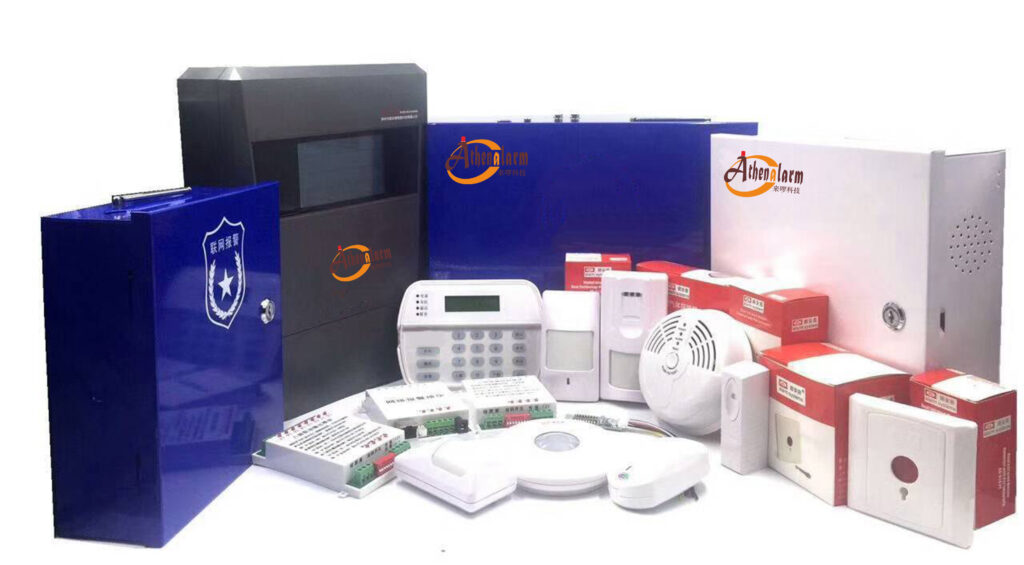
False alarms disrupt operations, waste resources, and erode confidence in intrusion detection systems. A single unwanted alarm at a commercial site can pull security teams off critical tasks, cause repeated dispatches, and lead to unnecessary service calls—costs that accumulate quickly for enterprises deploying large numbers of alarm control panel and sensor combinations. Understanding the causes of false alarms is essential for ensuring the reliability of modern burglary alarm systems, especially in high-security and high-traffic environments.
This technical guide examines the most common false alarm triggers in integrated alarm control panel–sensor setups, explains why these events occur, and offers actionable adjustments to prevent recurrence. For alarm engineers, product managers, and security procurement professionals, minimizing false positives is directly tied to system performance, operational stability, and long-term ROI.
Section 1: Understanding False Alarms in Alarm Systems
False alarms occur when a control panel receives an activation signal from a sensor without the presence of a real intrusion. In integrated systems, this happens when the input from PIR motion detectors, magnetic contacts, glass-break sensors, or other devices exceeds the programmed activation thresholds due to non-intrusion stimuli.
Industry data underscores the scale of the issue. According to NFPA reports, unwanted alarms represent a substantial percentage of emergency responses annually, driving authorities and facility managers to prioritize solutions that reduce operational disruptions. For procurement teams evaluating commercial burglary alarm solutions, understanding system architecture—and potential control panel–sensor mismatches—is critical to specifying long-term reliable equipment.
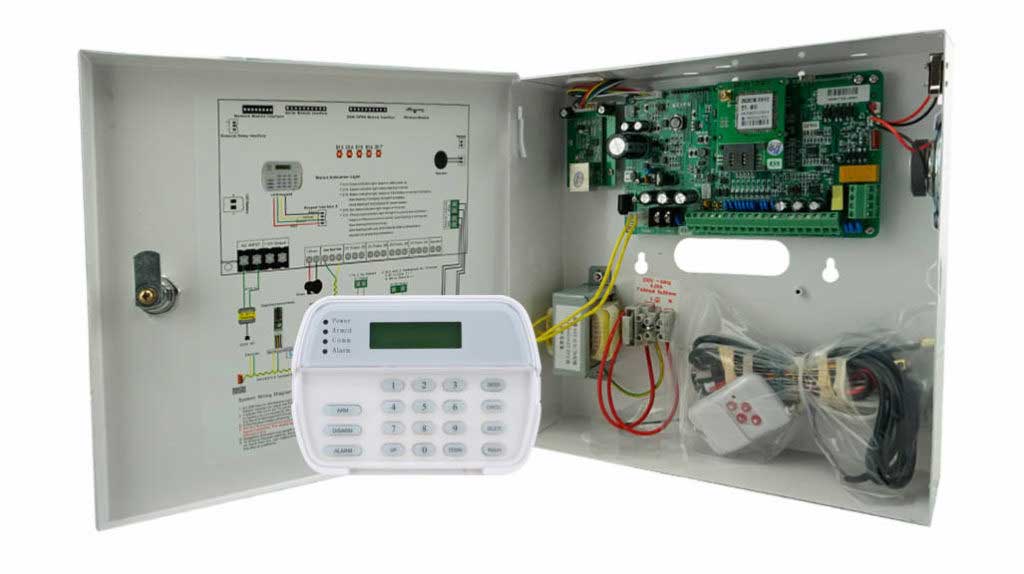
False alarm triggers often stem from how the control panel interprets sensor data, particularly in mixed-technology environments. Sensor sensitivity, environmental noise, cabling integrity, wireless signal quality, and firmware compatibility all influence how reliably the panel differentiates real threats from false positives. These integration challenges form the foundation of the common false alarm causes in commercial burglary alarm systems.
Section 2: Common Causes of False Alarms
1. Environmental Factors
Environmental variations are one of the most frequent causes of false alarms alarm control panel sensor interactions.
- Drafts or airflow shifts from HVAC vents can create rapid temperature changes detectable by PIR sensors.
- Direct sunlight or reflections can saturate sensor optics or trigger thermal fluctuations.
- Temperature swings near entry points may alter sensor sensitivity thresholds.
- Insects or small debris entering sensor housings can cause micro-movements detected as motion.
Improper environmental assessment during installation exacerbates these issues.
2. Installation Errors
Incorrect installation is a leading cause of recurring false alarms.
- Poor sensor mounting locations, such as pointing motion detectors toward windows, fans, or high-traffic pedestrian areas, increase false triggers.
- Incorrect wiring or loose terminals create intermittent signals interpreted as alarm events.
- Incorrect alignment of magnetic contacts leads to marginal gap tolerances that fluctuate with door vibration.
- Mismatched control panel configuration, such as incorrect zone types or sensitivity programming, creates interpretation errors between panel and sensors.
3. Equipment Malfunctions
Hardware degradation can cause intermittent or random alarm activations.
- Aging PIR sensors exhibit unstable thermal readings.
- Weak batteries in wireless sensors result in unstable RF transmission.
- Firmware incompatibility between sensors and control panels produces faulty event reporting.
- Worn relays or corroded contacts in detectors or panel terminals can intermittently open or close circuits.
4. User-Related Issues
Human factors frequently contribute to false alarm conditions.
- Untrained staff may accidentally trigger sensors while arming/disarming.
- Pets or small animals moving within the sensor’s detection zone can cause motion activation.
- Obstructions or object movement, such as hanging signs or curtains, create unintended motion signatures.
5. Interference Sources
Signal interference is a growing challenge in dense environments.
- RF interference from Wi-Fi routers, industrial wireless equipment, or IoT devices impacts wireless alarm sensors.
- Electromagnetic interference (EMI) from motors, LED drivers, or power converters distorts wired sensor signals.
- Nearby metal structures impact wireless sensitivity and attenuate control panel communication.
Section 3: Adjustments and Prevention Strategies
1. Environmental Adjustments
To mitigate environmental triggers:
- Adjust PIR sensitivity using panel-level configuration tools.
- Use lens masking to block high-risk detection areas (e.g., windows, ventilation paths).
- Install environmental shields, such as sun guards or insect-resistant covers.
- Conduct site surveys during design to identify heat sources, ventilation paths, and reflective surfaces.
2. Installation Corrections
Improving installation quality significantly reduces false alarms.
- Follow UL 681 installation standards for detector placement and panel zoning.
- Utilize calibration tools to precisely align magnetic contacts.
- Verify cable integrity using continuity and resistance testing.
- Confirm panel programming: ensure correct zone types, response times, and sensor profiles are assigned.
3. Equipment Maintenance and Upgrades
Address equipment degradation proactively.
- Implement scheduled maintenance cycles for sensor testing, cleaning, and recalibration.
- Replace batteries in wireless sensors according to manufacturer-recommended intervals.
- Install the latest firmware for both sensors and the control panel to maintain compatibility.
- Replace aging devices exhibiting inconsistent readings or drift.
4. User Training and Behavioral Controls
Enhancing user awareness reduces avoidable false alarms.
- Develop training programs for staff responsible for arming/disarming.
- Deploy pet-immune PIR sensors where necessary.
- Establish clear procedures for after-hours access and zone bypassing under controlled conditions.
5. Interference Mitigation
Improve signal integrity in wired and wireless environments.
- Use shielded cabling and proper grounding practices.
- Implement frequency-hopping wireless systems to mitigate RF interference.
- Conduct EMI testing in facilities with high-density electronics.
- Install repeaters or adjust sensor placement to improve wireless coverage.
These measures provide a structured approach to troubleshooting false alarms in integrated alarm panels, ensuring long-term operational stability and high detection accuracy.
Conclusion
False alarms remain a major operational concern in commercial and industrial intrusion alarm deployments. By understanding the environmental, installation, equipment, user-related, and interference-related causes of false alarms and applying targeted corrective actions, organizations can significantly improve alarm system reliability and reduce unnecessary dispatches. Optimizing the alignment between the alarm control panel and connected sensors ensures higher accuracy, better lifecycle performance, and more confident decision-making for procurement teams.
Security professionals and product managers are encouraged to evaluate their current control panel–sensor configurations, review installation practices, and adopt updated technologies that support false alarm reduction. As intrusion detection technology continues to evolve, leveraging advanced diagnostics, improved sensor intelligence, and refined control panel logic will further strengthen the reliability of modern alarm systems and prevent recurrence.