
Introduction
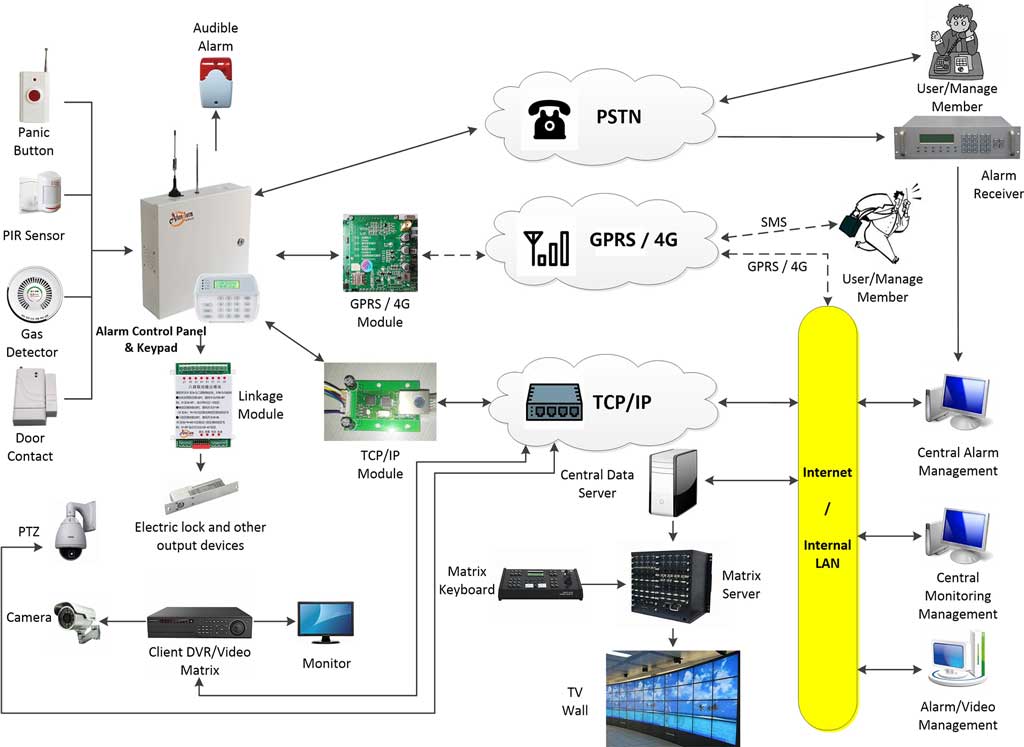
Modern commercial and residential environments increasingly rely on integrated security ecosystems rather than isolated devices. A typical deployment may require the alarm panel to connect with CCTV cameras, Wi-Fi networks, and access control systems to achieve coordinated monitoring and faster response. When the alarm panel integrates with other systems effectively, security teams can reduce false alarms, automate event-driven actions, and gain real-time situational awareness—advantages that are especially important for technicians, product managers, procurement teams, and large-scale security project decision-makers.
This technical guide outlines the essential steps and best practices to ensure seamless, secure, and standards-compliant integrations. Drawing from recognized industry standards and field-proven methodologies, it helps organizations evaluate compatibility, plan system architecture, implement secure connections, and validate long-term performance across interconnected security systems.
1. Assessing Compatibility and System Requirements
Evaluate Hardware and Software Compatibility
Before initiating any integration, confirm whether the alarm panel supports the communication interfaces and protocols required by the external systems:
- CCTV integration: Check for ONVIF Profile S, T, or G compatibility, RTSP streaming support, or direct relay-based trigger input.
- Access control systems: Verify support for Wiegand, OSDP, or custom API integration, depending on the access controller’s design.
- Wi-Fi networks: Confirm whether the alarm panel uses IP-based communication or requires a dedicated Wi-Fi-to-Ethernet bridge.
Some alarm panel models feature native integration modules, while others rely on third-party middleware or SDKs to bridge communication gaps. Procurement teams should request interoperability documentation and integration roadmaps from vendors.
Identify Integration Points
Different systems connect through different pathways. Common integration points include:
- IP interfaces for Wi-Fi or LAN-based data exchange
- API endpoints (REST, SOAP, proprietary) for advanced automation
- Hardware relays for event triggers (e.g., alarm → CCTV recording)
- Serial ports (RS-485 / RS-232) for legacy access control linkages
Understanding the available interfaces ensures reliable data flow when the alarm panel integrates with other systems.
Conduct a Risk and Load Assessment
A thorough assessment helps avoid unexpected conflicts:
- Network load: CCTV video streaming may consume significant bandwidth, affecting alarm signal transmission if placed on the same Wi-Fi network.
- Trigger conflicts: Access control overrides should not disable alarm zones unintentionally.
- Cyber risks: Interconnected systems expand the attack surface if not segmented properly.
Long-tail keyword consideration: best practices for alarm panel integration with CCTV and access control should always include compatibility validation, load analysis, and cybersecurity planning.
2. Planning the Integration Process
Develop a Detailed Integration Roadmap
Successful integrations begin with structured planning:
- Map data flows between the alarm panel, CCTV NVRs, Wi-Fi infrastructure, and access controllers.
- Define event-trigger logic, such as linking intrusion triggers with camera presets or access-denial alerts.
- Choose middleware if direct integration is limited—platforms like VMS/PSIM allow unified control and automation.
This planning stage reduces deployment delays and eliminates unnecessary hardware purchases.
Choose Reliable and Compatible Components
Procurement teams must evaluate:
- Alarm panels with open architectures and native integration support
- ONVIF-compliant CCTV systems
- Enterprise-grade Wi-Fi routers with VLAN support
- Access control units supporting secure, encrypted protocols (e.g., OSDP Secure Channel)
Product managers should perform cost-benefit analyses comparing proprietary vs. open ecosystems in large-scale deployments to avoid vendor lock-in in alarm panel integrations with other systems.
Address Regulatory and Industry Compliance
Compliance ensures long-term reliability and auditability:
- UL 681 – U.S. standard for professional alarm system design and installation
- EN 50131 – European classification for intrusion and access control integrations
- ONVIF specifications – For cross-platform video and alarm interoperability
These standards support EEAT credibility for both technical readers and decision-makers.

3. Implementing Secure Integration Practices
Configure Secure Network Architecture
When the alarm panel integrates with other systems using IP or Wi-Fi, security is essential:
- Use WPA3 encryption and strong passphrases for Wi-Fi networks
- Assign alarm panels to segmented VLANs, isolating them from corporate traffic
- Employ VPN tunnels for off-site monitoring centers
- Disable unused ports and services to minimize exposure
A well-segmented network prevents lateral attacks and maintains reliable performance.
Set Up Event-Triggered Automations
Common integration workflows include:
- Alarm panel → CCTV automatic recording or camera preset movements
- Forced entry → Access control lockdown
- Alarm verification → SIP or VoIP alerts to guard rooms
- Sensor activation → MQTT-based push notifications for IoT dashboards
These automations enhance situational awareness and reduce false dispatches.
Strengthen Cybersecurity Measures
As interconnected systems grow, cybersecurity becomes mission-critical:
- Apply regular firmware updates across alarm panels, cameras, and controllers
- Use unique, complex passwords and disable default accounts
- Enable multi-factor authentication on management portals
- Log access attempts and maintain audit trails for compliance
These steps reflect real-world installer best practices for protecting integrated systems.
4. Testing and Verification Procedures
Conduct Multi-Stage Testing
A comprehensive test plan should include:
- Simulated intrusion events triggering CCTV views
- Access card denials activating alarm alerts
- Alarm → NVR → Mobile App signal chain verification
- Wi-Fi failover tests to confirm stability
Measure response times (target <5 seconds) to guarantee that the integration meets operational expectations.
Validate Interoperability Under Load
Use professional diagnostic tools such as:
- Network analyzers to confirm stable data exchange
- Protocol analyzers to verify correct API call sequences
- System performance monitors during peak activity (e.g., multiple cameras streaming)
This ensures that alarm panel integrations with other systems remain stable in real deployment conditions.
Document Procedures and Conduct Audits
Accurate documentation is essential for procurement teams planning fleet-wide deployments:
- Integration diagrams
- Event logic definitions
- Network configuration files
- Compliance audit reports
Periodic third-party audits verify continued adherence to standards and detect emerging vulnerabilities.
5. Maintenance and Long-Term Optimization
Implement Regular Monitoring and Maintenance
Routine tasks should include:
- System health checks
- Log reviews for anomalies
- Wi-Fi signal strength assessments
- Firmware and software updates
These measures maximize uptime and reduce troubleshooting time.
Prepare for Scalability and Upgrades
Integrated systems should be designed to accommodate growth:
- Modular alarm panel expansion
- Additional CCTV camera channels
- Extra access control doors or credentials
- Cloud-based platforms for centralized management
This is especially relevant for enterprises planning multi-site deployments over several years.
Ensure Continuous Training and Vendor Support
Personnel must stay updated:
- Vendor certification programs
- Training on new integration modules
- Access to technical support hotlines
- Incident response practice sessions
These support strategies reinforce long-term reliability as the alarm panel integrates with other systems.
Conclusion
Integrating alarm panels with CCTV, Wi-Fi networks, and access control systems is essential for modern security infrastructures. By thoroughly assessing compatibility, planning architecture, implementing secure practices, verifying operation, and maintaining the system over time, organizations ensure a resilient and high-performance security ecosystem.
Following the steps outlined in this guide helps reduce operational risks, improve incident response times, and support informed procurement decisions. As security technology evolves toward AI-enhanced analytics and cloud-based services, robust integration practices will remain the foundation of future-proof security deployments.