
Introduction
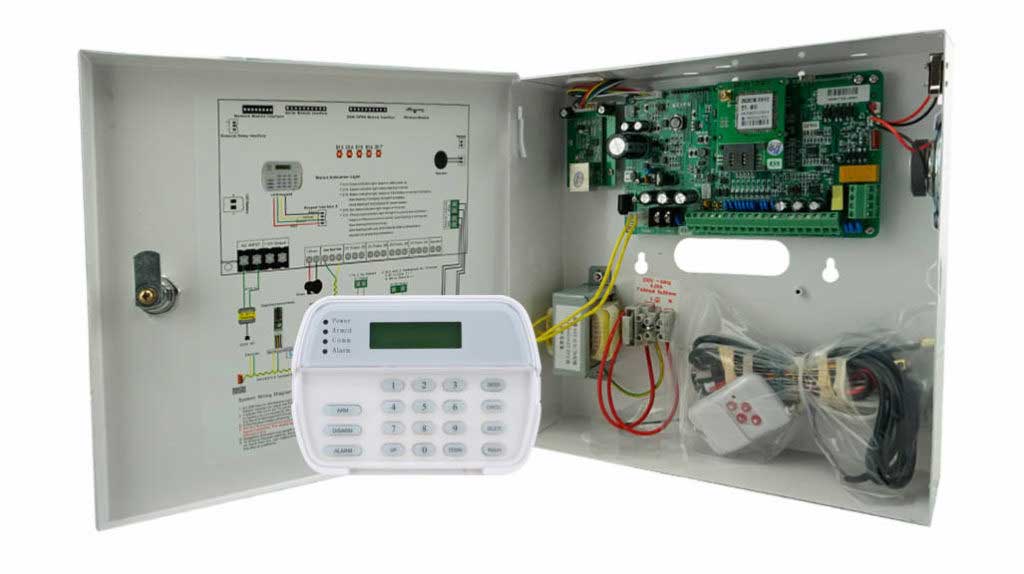
Firmware plays a critical role in the reliability and long-term performance of any modern alarm control panel. As security systems evolve, manufacturers regularly release firmware updates to enhance encryption, resolve software bugs, strengthen cybersecurity defenses, and improve compatibility with new communication modules and smart sensors. A timely alarm control panel firmware update ensures that intrusion detection systems remain stable, compliant, and resilient against emerging threats.
This technical guide provides a comprehensive, field-tested procedure for performing a firmware upgrade and examines known issues reported in some of the latest firmware releases. It is specifically designed to support professional installers, product managers, purchasing teams, and decision-makers responsible for evaluating and maintaining enterprise-grade security systems. By understanding the firmware upgrade process and staying informed on potential risks, stakeholders can manage updates with confidence and minimize operational disruptions.
1. Understanding Alarm Control Panel Firmware
Firmware in intrusion alarm systems refers to the embedded software stored within hardware modules—including control panels, keypads, zone expanders, communication boards, and wireless transceivers. It operates at a low level and governs essential system behavior such as sensor supervision, alarm logic, encryption protocols, IP/cellular communication, and event reporting.
Benefits of Regular Firmware Updates
Regular updates deliver measurable advantages:
- Enhanced cybersecurity: Manufacturers introduce improved encryption algorithms, patch vulnerabilities, and reinforce secure boot mechanisms.
- New feature support: Updated firmware enables integration with new smart sensors, IP modules, and cloud platforms.
- Better interoperability: Ensures compatibility with CCTV, access control, smart home devices, and industry protocols.
- Improved system stability: Fixes known bugs, enhances error handling, and reduces false alarms.
These improvements align with the benefits of updating alarm control panel firmware, particularly for systems deployed in mission-critical environments such as retail chains, data centers, or banking facilities.
Risks of Outdated Firmware
Neglecting firmware updates can introduce significant risk:
- Increased exposure to cyberattacks due to unpatched vulnerabilities
- Communication failures between legacy and new modules
- Higher likelihood of system malfunctions or nuisance alarms
- Loss of compliance with standards or monitoring center requirements
These illustrate the risks of outdated security alarm firmware, emphasizing why ongoing maintenance is essential.

2. Preparation Before Updating Firmware
Before initiating any firmware update, technicians should complete several critical prerequisites to ensure a safe and reliable process.
Compatibility and System Assessment
- Verify the firmware version supported by the panel’s model and hardware revisions.
- Check compatibility with existing expanders, communicators, and third-party integrations.
- Review the manufacturer’s release notes for changes affecting installed configurations.
Backup and Redundancy
- Export the current panel configuration using OEM tools.
- Document system parameters, especially for complex multi-area setups.
- Ensure the monitoring center is aware of the maintenance window.
Power and Connectivity Stability
- Confirm stable AC power and a fully charged backup battery.
- For IP-based updates, ensure a reliable network connection.
- Disable automated monitoring or notify operators to avoid false dispatches.
Tools and Software Required
- Manufacturer-specific configuration or firmware update software
- USB/A-to-Mini cables or serial adapters
- Secure login credentials for distributor or installer portals
- Laptop with updated drivers
These steps fall under preparing for alarm control panel firmware update and ensure smooth execution of all firmware update prerequisites for security panels.
3. Step-by-Step Procedure for Firmware Update
Although specific procedures vary by brand (e.g., Honeywell/Resideo, DSC, Bosch, Texecom, Paradox), the general step-by-step alarm control panel firmware upgrade process typically follows the pattern below.
1. Download the Latest Firmware Package
- Access the manufacturer’s official installer portal or product support site.
- Download the correct firmware file, ensuring it matches your panel’s exact model.
- Review the changelog for newly added features or known issues.
2. Verify File Authenticity and Checksums
- Confirm the file’s MD5/SHA checksum where provided.
- Avoid using third-party sources, which may introduce cybersecurity risks.
3. Establish Connection With the Panel
- Connect via USB, serial, or secure IP session depending on panel capabilities.
- For cloud-enabled systems (e.g., Resideo ProSeries), log in through the installer app to initiate OTA updates.
4. Initiate Firmware Upload
- Use the manufacturer’s firmware utility or programming software.
- Select the correct device tree (panel, keypad, communicator).
- Start the upload and avoid cutting power during the process.
5. Monitor Update Progress
- Do not interrupt communication or reboot the panel.
- Observe progress indicators to detect stalls.
6. Reboot and Verify Successful Upgrade
- Allow the panel to automatically restart.
- Confirm correct version number via keypad or software interface.
Variations by Update Method
- OTA (Over-the-Air): Requires stable IP/cellular connectivity; errors may occur with weak signals.
- USB or Serial Manual Update: More reliable in industrial or shielded environments.
- Modular Expansion Updates: Some systems require independent updates for keypads, wireless modules, or IP communicators.
Troubleshooting Tips
- Error 0x24 / CRC mismatch: Redownload firmware and reattempt.
- Device not detected: Check driver conflicts or cable issues.
- Interruption mid-update: Follow recovery bootloader procedures provided by the manufacturer.
4. Known Issues With the Latest Firmware Versions (2024–2025 Trends)
Across major intrusion alarm manufacturers, several recurring issues have been documented in recent firmware releases. These observations are based on 2024–2025 changelogs, integrator feedback, and security community reports.
1. Legacy Sensor Compatibility Issues
Some latest firmware builds have tightened encryption protocols, causing older wireless PIRs, door contacts, or smoke sensors to lose connectivity.
2. Intermittent IP Communication Drop
Installers have reported occasional IP reporting failure during peak network traffic after upgrading communication modules.
3. Unintended Supervisory or Tamper Alarms
Refined sensitivity thresholds in updated firmware can cause unexpected supervisory alerts or tamper notifications.
4. False Alarm Spikes in Certain Environments
A few builds for specific panels were found to misinterpret rapid temperature changes or RF interference, triggering false alarms.
5. Delayed Keypad Response
Interface lag has been observed on some touchscreen keypads due to UI rendering updates.
Professionals are advised to regularly monitor:
- Manufacturer bulletins
- Firmware hotfix releases
- ESA and CISA advisories concerning security system firmware vulnerabilities
These sources help track known issues in latest alarm control panel firmware and provide guidance for troubleshooting firmware bugs in security systems.
5. Best Practices and Post-Update Verification
A firmware update is not complete until the system has been fully validated.
Post-Update Functional Testing
- Test all zones (perimeter, motion, fire, panic).
- Verify alarm transmission to monitoring centers.
- Confirm communication paths: IP, PSTN (if applicable), cellular backup.
- Check integration with CCTV, access control, or automation platforms.
Monitor Logs and Event History
- Look for anomalies such as repeated restoral messages or sensor dropouts.
- Validate time synchronization and reporting formats.
Rollback Plan
Departments with multi-site deployments should maintain access to previous firmware versions in case an unexpected issue requires rolling back.
Long-Term Best Practices
- Subscribe to manufacturer newsletters for release alerts.
- Maintain a standardized update schedule across all sites.
- Store configuration backups securely for rapid recovery.
These steps reflect industry-aligned post-update verification for alarm control panel firmware and overall best practices for security firmware management.
Conclusion
Updating the firmware of an alarm control panel is essential for maintaining a secure, stable, and compliant intrusion detection system. When executed correctly, it enhances cybersecurity, improves performance, and ensures long-term interoperability with new hardware and monitoring technologies. However, technicians must proceed methodically, as new firmware versions may introduce compatibility issues or unexpected bugs.
By following a structured firmware upgrade process, validating system behavior post-update, and staying informed about manufacturer advisories, security professionals and procurement teams can ensure reliable alarm control panel firmware updates and optimize overall system performance.
For tailored recommendations or project-specific firmware assessments, industry professionals are encouraged to consult certified installers or technical support teams.