

Introduction
Insider-driven security failures remain one of the most persistent risks in modern intrusion-detection environments. According to the 2024 Ponemon Institute Cost of Insider Threats Report, almost 50% of internal security failures originate from negligent or malicious insiders, and alarm systems—being critical access-control endpoints—are no exception. In the context of alarm deployments, insider threats refer to employees, contractors, service providers, or security operators who misuse legitimate access, intentionally or unintentionally compromising intrusion systems. These actions may include unauthorized alarm disarming, tampering with detectors, altering event logs, or leaking configuration data.
This guide is written for security managers who need practical, implementable preventive measures for internal breaches across intrusion-detection deployments. You will learn actionable methods to harden systems, enforce accountability, and minimize operational risk. By following these strategies, organizations gain stronger alarm system integrity, reduced insider-related downtime, improved compliance, and better resilience against internal misuse.
Understanding Insider Threats in Alarm Systems
Alarm deployments are uniquely vulnerable to insider risks due to their reliance on privileged access. Three primary categories of insider threat alarms include:
1. Malicious Insiders
Employees who intentionally disable alarm zones, leak system architecture, or manipulate logs to conceal wrongdoing. This is especially common in high-value environments such as retail stockrooms, warehouses, and data centers.
2. Negligent Employees
Well-meaning staff who create vulnerabilities—such as sharing PINs, ignoring logouts, misconfiguring schedules, or bypassing alarm rules—resulting in unintended exposure.
3. Third-Party Vendors
Technicians and integrators who temporarily access control panels or cloud alarm dashboards. Without strict control, their privileges may persist long after work is completed.
Common vulnerabilities in alarm systems that elevate internal breach probability include:
- Shared passwords or untracked installer codes
- Lack of role-based access control
- Unmonitored configuration changes
- Disabled event logs
- No audit trail for arming/disarming actions
Industry studies reinforce the risk: Ponemon’s research shows that incidents involving internal misuse or mistakes cost organizations an average of $7.5 million annually—and alarm infrastructure is a frequent target due to its ability to mask physical activity.
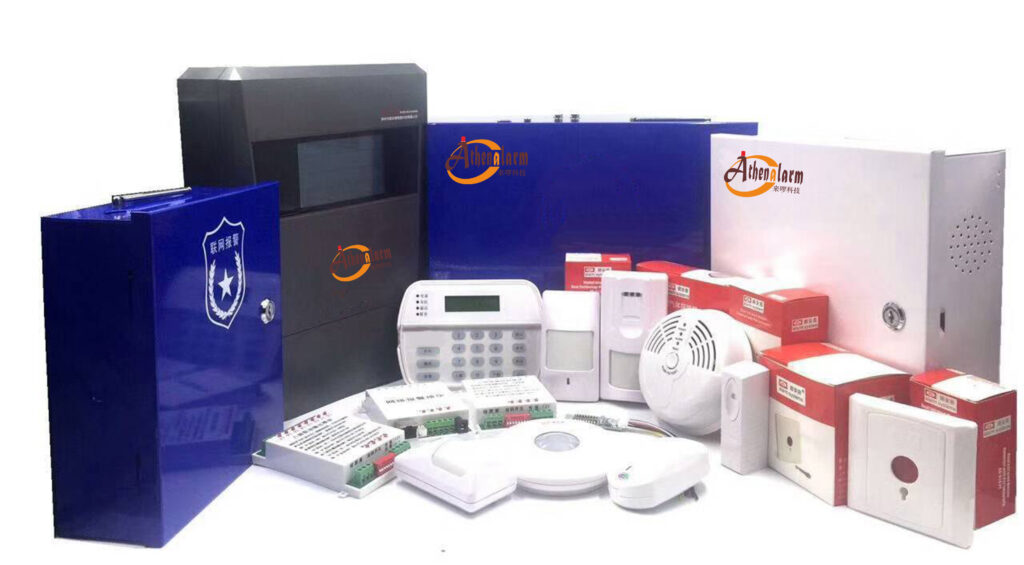
Key Preventive Measures for Internal Breaches
1. Access Control Best Practices (RBAC Implementation)
Role-based access control (RBAC) is the foundation of insider threat mitigation for intrusion systems. Every commercial alarm platform—Honeywell ProSeries, DSC PowerSeries Neo, Texecom Premier, Ajax PRO Desktop, and others—supports tiered access modes.
Step-by-step guide to implementing RBAC in an alarm management console
- Log in to the system’s admin or installer interface (via web dashboard or local keypad).
- Open “User Management” or “Access Control.”
- Create user groups such as:
- Operator
- Guard / Patrol
- Manager
- Installer / Technician
- Define permissions for each role, including access to:
- Arming/disarming
- Bypass functions
- System configuration
- Log viewing
- Remote access
- Assign users to groups, ensuring no user has higher privileges than necessary.
- Set expiration dates for temporary users (vendors or seasonal staff).
- Enable automatic session timeout and forced logouts.
Pro Tip: Never allow multiple employees to share the same PIN, RFID tag, or app login. Shared credentials eliminate traceability and weaken accountability.
2. Monitoring and Auditing Strategies
Alarm systems must maintain a full log of all activities, including configuration changes, arming/disarming events, failed login attempts, and device tampering.
How to enable logging and real-time alerts:
- Open your alarm software dashboard (cloud or local).
- Navigate to System Logs → Event Filtering.
- Toggle on:
- Configuration change logs
- User access logs
- Device tamper alerts
- Door/zone override logs
- Under Notifications, configure alerts for:
- Unusual login times
- Repeated failed PIN attempts
- Attempts to bypass protected areas
- Remote disarming from outside normal hours
- Integrate logs into a SIEM platform if available (e.g., Splunk, LogRhythm, Elastic Security).
These steps allow security managers to detect suspicious insider patterns early—often before an incident escalates.
3. Employee Training and Awareness Programs
Insider risk prevention relies heavily on human behavior. Structured training helps reduce negligent insider events by up to 40%, according to ASIS International.
Training modules you can implement:
- Recognizing early signs of insider misuse
- Proper alarm code hygiene (no sharing, rotation rules)
- Correct steps to report system malfunctions without bypassing sensors
- Acceptable use policy (AUP) for alarm consoles and mobile apps
- Emergency response when unauthorized alarms are disabled
How to implement a basic program:
- Schedule quarterly 30–45-minute training sessions.
- Use real scenarios from your own site (anonymized).
- Conduct a two-question monthly micro-quiz via email or LMS.
- Track participation and incident reduction metrics.

Advanced Mitigation Techniques for Alarm Deployments
1. Enforcing Multi-Factor Authentication (MFA)
Most modern cloud-based alarm platforms support MFA.
How to enable MFA on alarm dashboards:
- Log in as admin.
- Navigate to Account Security or Authentication Settings.
- Enable SMS, email-based OTP, or authenticator app verification.
- Require MFA for:
- Remote alarm disarming
- Access to configuration menus
- Any privilege-escalation action
MFA reduces unauthorized internal access—even if a password or PIN is compromised.
2. Regular Vulnerability Assessments
A structured monthly or quarterly audit helps detect configuration drift or unapproved access.
Alarm vulnerability assessment checklist:
- Review inactive or outdated user accounts
- Confirm all audit logs are functioning
- Check for any bypassed zones
- Verify firmware versions and patch levels
- Inspect cabinet/tamper switches
- Ensure network segmentation for IP-based alarms
- Validate encryption settings on wireless detectors
Conduct these assessments internally, or hire a certified intrusion-system auditor for an annual review.
3. Insider Incident Response Planning
A tailored response plan ensures that insider-related alarm breaches are contained quickly.
Basic insider threat response template:
- Detection – Identify suspicious alarm events (logs, alerts, operator reports).
- Containment – Immediately revoke user access or PIN codes.
- Investigation – Pull configuration logs; review camera footage linked to alarm events.
- Eradication – Restore correct configuration; re-enable protections; patch vulnerabilities.
- Recovery – Test all zones and verify operational readiness.
- Post-Incident Review – Update policies, RBAC settings, and training modules.
Case Studies and Real-World Applications
Case Study 1: Retail Chain Alarm Misuse Prevention
A national retail chain experienced repeated unexplained nighttime disarms. After enabling event logging and MFA, they detected an employee using shared codes to provide unauthorized access to accomplices.
Outcome:
- 100% elimination of shared credential misuse
- 32% reduction in internal loss events within three months
Case Study 2: Distribution Center Installer Abuse
A third-party installer retained privileged master codes after project completion. After implementing RBAC and mandatory credential expiration policies, the center regained full operational control.
Outcome:
- Zero unauthorized access attempts in the following year
- Improved audit compliance with ASIS physical security guidelines
Industry bodies such as ASIS International report that implementing RBAC, MFA, and detailed logging reduces insider threat incidents by up to 55% in monitored facilities.
Conclusion
Insider threat alarms represent a significant but manageable risk in professional alarm deployments. By enforcing strict access control, continuous monitoring, employee awareness, and advanced authentication, security managers can substantially reduce operational risks and prevent internal breaches. Ongoing vigilance—combined with structured audits and a clear incident response plan—is essential for sustaining long-term security integrity in intrusion systems.
Security managers should begin implementing the strategies in this guide immediately and review them quarterly as insider techniques evolve.
References
- Ponemon Institute – Cost of Insider Threats Report (2024 Edition)
- ASIS International – Insider Threat Program Best Practices & Physical Security Guidelines
- NIST SP 800-53 Rev.5 – Security and Privacy Controls for Information Systems (adapted for intrusion systems)
- Honeywell Commercial Security Whitepapers – Alarm system access governance and insider risk prevention
- ADT Commercial Technical Notes – Alarm event auditing and administrator control best practices