
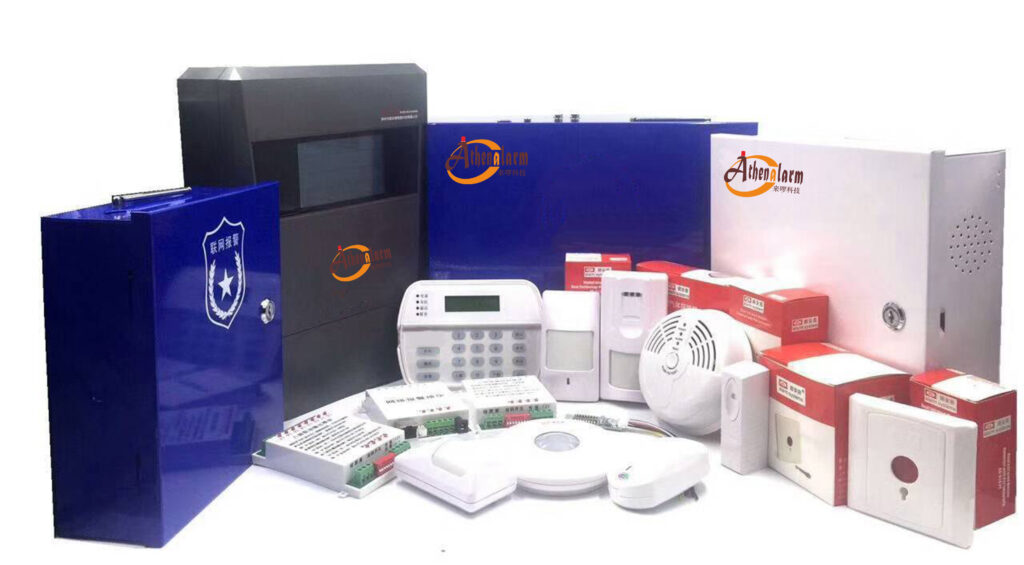
A residential burglary alarm trips at 2:14 a.m. Motion detection, audio analytics, and a thermal sensor all report movement in the living room.
The AI module calculates a low threat level—its pattern library suggests the signature matches a household pet. The system silently dismisses the alarm.
But what if the model was wrong?
What if the homeowner expected to be notified regardless of AI confidence?
As AI-driven autonomy becomes central to intrusion detection, alarm verification, and event classification, engineers and product managers must carefully balance innovation with ethical responsibility. This article examines the core ethical concerns around AI autonomous alarms and provides practical steps to ensure responsible use of AI decision-making in modern security systems.
Understanding AI Autonomy in Alarm Systems
What AI Autonomy Means in Intrusion Detection
AI autonomy refers to the ability of an alarm system to independently evaluate sensor data, classify threats, and act without human intervention.
Examples include:
- Distinguishing pets from intruders using PIR pattern analysis
- Recognizing window-break events with acoustic ML models
- Auto-suppressing repeated false triggers from known safe sources
- Escalating high-risk situations based on multi-sensor fusion
These autonomous capabilities rely on machine learning models trained on large volumes of alarm sensor data.
Benefits: Accuracy and Real-World Efficiency
Industry research supports measurable gains from AI adoption.
A 2023 ISC West report documented a 30% reduction in false alarms in pilot deployments that used ML-based verification. For monitoring centers, this translates into fewer unnecessary dispatches and faster response to genuine intrusions.
Ethical Risks Introduced by AI Autonomy
Despite the performance improvements, autonomy introduces several new risks:
- Algorithmic bias affecting threat classification
- Privacy concerns from continuous data capture
- Accountability gaps when autonomous decisions override human judgment
These issues are now essential considerations for any engineer designing next-generation burglar alarm systems.

Key Ethical Challenges
1. Bias and Fairness in AI Decision-Making
The Problem
If training data lacks diversity, AI models may misinterpret human movement patterns, acoustic signatures, or environmental conditions. ASIS International’s 2024 analysis found measurable discrepancies in false-alarm rates across neighborhoods due to biased datasets collected in limited environments.
This can lead to:
- Unfairly high false alarms in certain building types
- Under-detection in environments the model rarely encountered
- Distorted AI confidence scores affecting automated response decisions
How Engineers Can Mitigate Bias
Step 1 — Build Diverse Datasets
Collect sensor samples across different room layouts, temperatures, materials, pet types, and human movement patterns.
Step 2 — Conduct Bias Audits
Use dataset fairness checklists or model-evaluation flowcharts to compare performance across environments.
Step 3 — Retrain with Inclusive Data Sources
Integrate balanced data from commercial, industrial, and residential installations to equalize detection accuracy.
Case Insight
ASIS research in 2024 reported that a commercial alarm system reduced location-based false-alarm disparity from 18% to 4% simply by diversifying training data—a strong reminder that fairness is achievable through engineering discipline.
2. Privacy and Data Security Concerns
Why Autonomy Increases Privacy Risks
Autonomous alarms often process:
- Audio samples
- Interior motion signatures
- Behavioral patterns of occupants
- Device metadata from IoT subsystems
This increases exposure in case of cyber intrusion. The FBI’s 2024 Internet Crime Report noted a 25% increase in attacks targeting smart alarm devices, particularly those using cloud-based analytics.
Practical Guidelines for Product Managers
Implement Data Minimization (GDPR-aligned)
Only store data necessary for decision-making. Avoid retaining raw audio where feature vectors would suffice.
Use Encrypted Edge Processing
Process video, audio, and motion signatures locally. Only export anonymized metadata to the cloud.
Follow NIST SP 800-213 IoT Security Recommendations
Run periodic vulnerability scans, deploy signed firmware updates, and apply secure boot for alarm controllers.
Create a Transparent Privacy Policy for Installers and End-Users
Clear communication reduces liability and boosts customer trust.
3. Accountability and Human Oversight
The Core Challenge
Who is responsible if an AI-suppressed alarm leads to loss?
The homeowner?
The monitoring center?
The algorithm designer?
IEEE’s Global Initiative on Autonomous Systems emphasizes that ethical AI must never remove human accountability—especially in life-safety equipment like intrusion alarms.
Engineering Solutions for Oversight
Step 1 — Keep a Human-in-the-Loop Option
Operators must be able to review suppressed alarms or override AI-triggered decisions.
Step 2 — Maintain Comprehensive Decision Logs
Record model confidence, sensor inputs, and reasoning summaries. These logs are essential for audits, liability analysis, and forensic studies.
Step 3 — Design Clear Responsibility Frameworks
Assign specific responsibilities to:
- firmware engineers (model behavior)
- integrators (deployment calibration)
- monitoring centers (final response decisions)
Industry Insight
A 2025 Security Industry Association (SIA) survey found 40% of engineers viewed oversight features as more important than raw AI accuracy—a sign that the industry recognizes the importance of balanced autonomy.
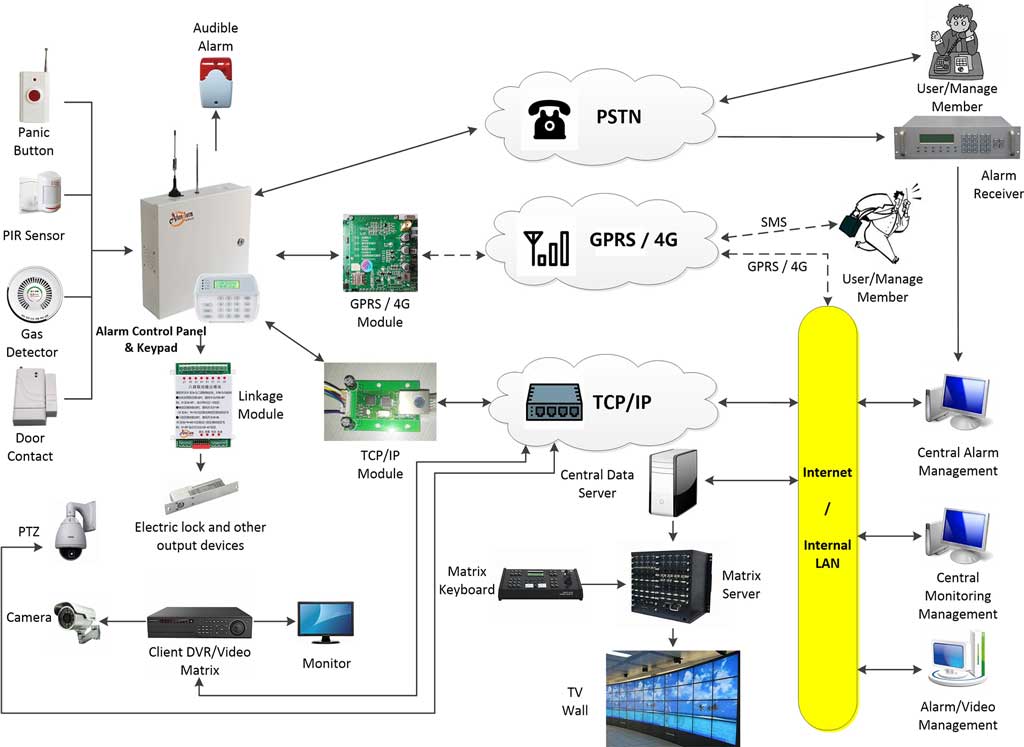
Implementing Responsible AI in Alarm Systems
A Practical Framework for Ethical Deployment
1. Perform Ethical Impact Assessments Early
Use structured templates from organizations such as the Alan Turing Institute to identify risk areas during system design.
2. Integrate Explainability Modules
Provide human-readable reasoning—not necessarily full XAI, but:
- Why the alarm was suppressed
- Which sensors contributed
- Model confidence scores
This strengthens operator trust and aids troubleshooting.
3. Test Across Real-World Scenarios
Simulate:
- Pet-triggered movement
- Multi-zone intrusions
- High-reflection environments
- Adverse weather influencing exterior sensors
Iterate models based on field data, not just lab conditions.
4. Maintain Continuous Monitoring and Lifecycle Updates
Threat environments evolve, as do user patterns. Continuous tuning and patching are essential for ethical system operation.
Conclusion
AI autonomy is reshaping modern burglar alarms, bringing unprecedented accuracy and efficiency. But autonomy without ethical governance risks undermining trust, privacy, and fairness. By adopting responsible AI decision-making practices—dataset auditing, privacy-preserving design, accountability structures, and transparent explainability—engineers and product managers can ensure that AI-powered intrusion systems remain safe, reliable, and worthy of user confidence.
The future of alarm technology will depend not merely on smarter models, but on ethically grounded design choices made today. Organizations that prioritize responsible autonomy will lead the next generation of secure, trustworthy intrusion solutions.
References
- ISC West. AI Integration and False Alarm Reduction in Security Systems, 2023.
- ASIS International. Analysis of Algorithmic Bias in Commercial Alarm Platforms, 2024.
- NIST Special Publication 800-213. IoT Device Cybersecurity Guidance.
- IEEE Global Initiative. Ethics of Autonomous and Intelligent Systems.
- Security Industry Association (SIA). AI Oversight Priorities Survey, 2025.
- Federal Bureau of Investigation. Internet Crime Report: IoT Device Threat Trends, 2024.