
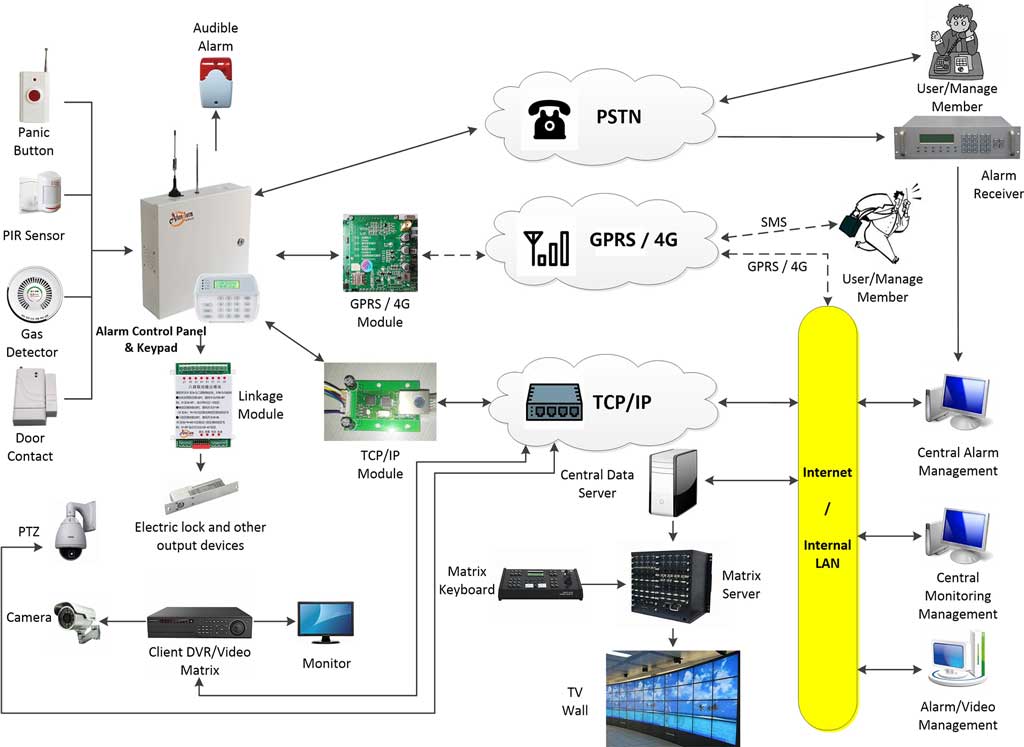
Modern intrusion alarm systems generate and process large volumes of sensitive personal data—user identities, location information, entry/exit logs, video footage, and even behavioral patterns. As these systems increasingly rely on cloud platforms and AI analytics, the risk of unauthorized access or data leakage grows sharply. A single breach exposing alarm event logs or home layout data can compromise both security and privacy, leading to regulatory penalties and loss of trust.
This guide explains what alarm data privacy means in the context of intrusion systems, why it matters, and how compliance officers and IT teams can implement practical, reliable protections. You’ll find actionable steps for securing personal data, best practices aligned with global standards, and real-world examples to help you confidently manage privacy risks in modern alarm deployments.
Understanding Data Privacy Risks in Alarm Systems
Common Types of Personal Data in Intrusion Systems
Intrusion alarm systems regularly collect and process:
- User identity data (names, phone numbers, access credentials)
- Video and audio feeds from integrated surveillance devices
- Sensor logs (motion detection, door/window states, timestamped events)
- Biometric identifiers (fingerprints, facial recognition templates)
- Location and behavioral data (arming schedules, movement patterns)
This makes alarm data privacy a critical part of security design rather than a secondary concern.
Key Vulnerabilities
Common threats include:
- Cloud platform attacks targeting stored alarm footage or event logs
- Weak IoT integrations where insecure devices become entry points
- Insider misuse, especially in monitoring centers without role-based access
- API weaknesses, where third-party integrations expose sensitive metadata
A 2023 Ponemon Institute study reported that 60% of security firms experienced a data privacy incident, underscoring that intrusion systems are now high-value targets.
Expert Insight
AI-enhanced intrusion systems collect more granular data—object classifications, movement profiles, repeated behavior signals—which increases both precision and privacy exposure. Without strict minimization and encryption, these advanced systems risk revealing more about users than they intend to share.
Key Regulations and Standards for Alarm Data Protection
Major Global Frameworks
- GDPR (EU) – Applies when handling EU residents’ data; mandates transparency, minimization, and lawful processing.
- CCPA (California) – Requires disclosure of data practices and allows consumers to opt out of data sale.
- HIPAA – Relevant if intrusion alarms integrate with medical alert systems or monitor health-related devices.
Industry Standards
- ISO/IEC 27001 – Foundation for managing information security risks in alarm networks.
- NIST SP 800-53 – Provides IoT and access control guidance applicable to intrusion system communications and storage.
Compliance Challenges
Alarm providers often struggle due to:
- Multi-jurisdiction deployments (e.g., cross-border central monitoring)
- Complex vendor chains for sensors, alarm panels, and cloud software
- Legacy alarm systems lacking encryption or retention controls
The U.S. FTC issued penalties in 2024 against a security firm for failing to restrict internal access to alarm video data—an example of rising enforcement.
Quick Compliance Assessment Checklist
- Is end-to-end encryption active for all alarm data flows?
- Are retention rules defined, enforced, and auditable?
- Does the vendor provide documentation on data handling and third-party access?
- Is user consent clearly collected and logged?
Best Practices for Handling Personal Data in Intrusion Systems
1. Data Minimization
Collect only what is strictly necessary:
- Use anonymized sensor IDs where possible
- Avoid storing video unless required for verification
- Aggregate logs to limit exposure of user behavior patterns
2. Strong Encryption & Access Controls
Implement:
- End-to-end encryption for transmissions
- AES-256 or equivalent encryption for stored alarm logs
- Role-based access (technicians, operators, admins)
- Multi-factor authentication for all privileged accounts
3. Transparent Consent & User Communication
Ensure:
- Clear privacy policies inside the mobile or web alarm interface
- Consent prompts before enabling recording or remote-sharing features
- Notice for data retention periods and deletion practices
4. Vendor Due Diligence
Before selecting intrusion hardware or monitoring software, ask:
- “How long do you store event logs and video?”
- “Where is data physically stored?”
- “Do you share any data with subcontractors?”
- “Do you support customer-controlled encryption keys?”
Vendors unwilling to answer these questions usually present hidden privacy risks.
Step-by-Step Implementation of Privacy Measures
Step 1: Conduct a Privacy Audit
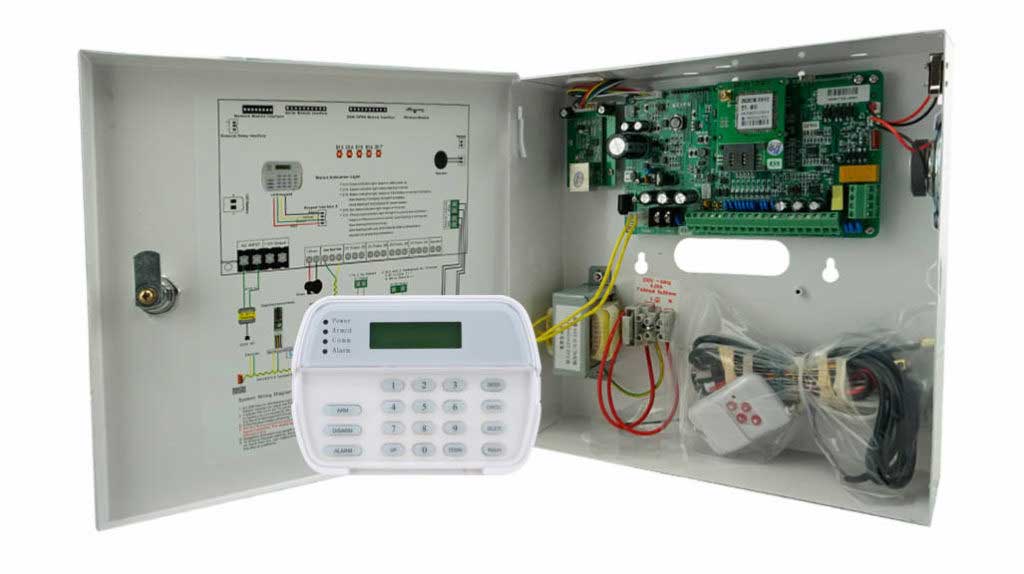
- List all data sources (control panels, sensors, apps, cloud services).
- Map data flows—where data travels, who processes it, where it is stored.
- Identify high-risk repositories (e.g., unencrypted video archives).
- Categorize by sensitivity: identity, location, event logs, biometrics.
Simple tools like data-mapping spreadsheets or open-source privacy audit platforms help small teams track blind spots.
Step 2: Implement Encryption Protocols
Example for enabling encryption on a modern intrusion control panel:
- Log in to the admin dashboard.
- Navigate to Security Settings → Data Encryption.
- Select Enable AES-256 for all outbound data channels.
- Apply and reboot the panel to activate secure communications.
- Verify by checking system logs for “encrypted channel active.”
Step 3: Configure Retention & Automated Deletion
Shorter retention reduces risk and simplifies regulatory compliance.
Example using API automation (pseudocode for illustration):
from alarm_api import AlarmLogs
logs = AlarmLogs()

for entry in logs.list():
    if entry.age_days() > 30:
        logs.delete(entry.id)
This ensures logs older than 30 days are purged unless legally required.
Step 4: Train Staff & Monitor Compliance
Create a training cycle:
- Quarterly modules on data handling
- Breach simulation drills for monitoring teams
- Annual privacy impact assessments
- Random log reviews to detect unusual access
Tools like SIEM platforms or dedicated privacy monitoring dashboards help track anomalies in alarm system access.
Troubleshooting Common Issues
Problem: API conflict between alarm panel and third-party monitoring software
Fix:
- Check TLS versions—both must support the same protocol.
- Confirm matching cipher suites.
- Validate API token scopes (monitoring apps often require read-only permissions).
- Inspect logs for “401 invalid scope” or “TLS handshake failed” errors.
Case Studies and Real-World Applications
Case Study 1: Commercial Building Alarm Overhaul
A large commercial property deployed pseudonymized identifiers for all motion logs—removing personal references and linking events only to zones. According to a 2025 ISC2 industry report, this approach reduced privacy-related incidents by 40% and simplified compliance audits.
Case Study 2: Residential System Privacy Failure
A residential alarm provider experienced a data leak when outdated firmware exposed sensor logs. Recovery involved:
- Prompt notification to affected users per GDPR Article 33
- Forensic analysis to determine the breach’s scope
- Mandatory encryption of all local storage
- A new retention policy reducing stored logs from 12 months to 30 days
This scenario shows that recovery is possible, but prevention is cheaper and more effective.
Lessons Learned
- Minimize personal data at every stage
- Perform regular penetration tests on alarm networks
- Treat privacy as a core design element, not a feature
Conclusion
Protecting personal data within intrusion alarm systems is no longer optional—it is a central pillar of both compliance and customer trust. By applying data minimization, encryption, strong access controls, and clear consent mechanisms, organizations can significantly reduce privacy risks. Implementing these best practices not only strengthens security posture but also enhances user confidence and lowers legal exposure.
Moving forward, emerging technologies such as blockchain-secured alarm logs and privacy-preserving AI models will offer additional safeguards. Compliance officers and IT teams who adopt these measures early will position their organizations as leaders in secure, privacy-focused intrusion systems.
References
- European Union Regulation 2016/679 (GDPR)
- California Consumer Privacy Act (CCPA) – CA Dept. of Justice
- ISO/IEC 27001: Information Security Management Standard
- NIST SP 800-53: Security and Privacy Controls for Information Systems
- Ponemon Institute (2023): Cost of Data Breach Study
- ISC2 (2025): Cybersecurity Workforce Study
- U.S. Federal Trade Commission: Enforcement Database on Privacy Violations