
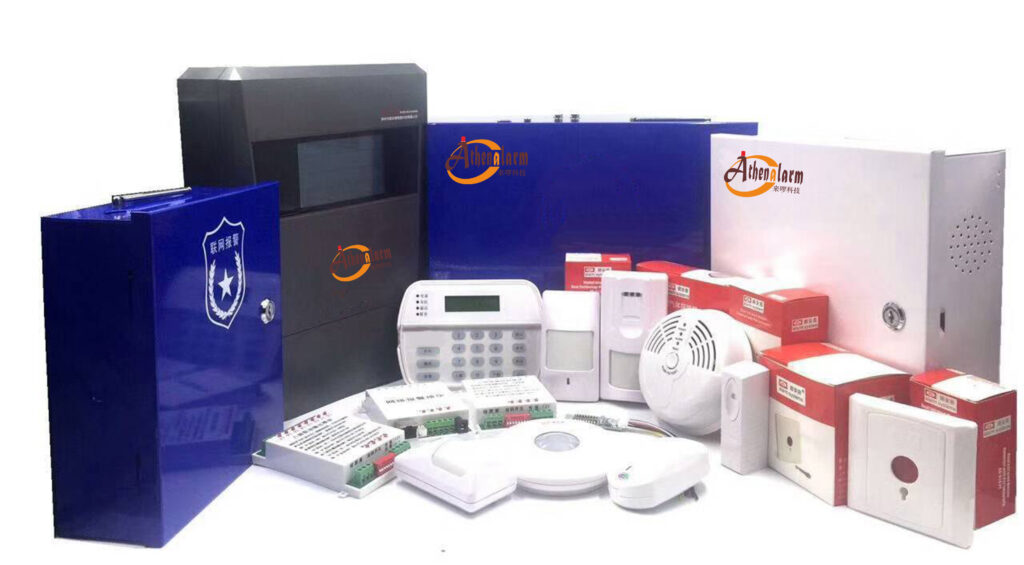
It is 2:17 a.m. A security manager is woken—again—by another “Burglar Zone 3 Triggered” notification. Dispatch is mobilized, supervisors are alerted, and on-site guards pause their patrols. But when the team arrives, nothing is wrong. No intrusion. No threat. Just another false alarm.
In intrusion alarm systems, a false alarm occurs when a burglar alarm is activated without a genuine security event—commonly due to faulty sensors, environmental disturbances, poor installation, or simple user error. While each false alert may seem minor, high false alarm rates rapidly erode operational efficiency, drain manpower resources, damage organizational credibility, and trigger unnecessary financial and legal consequences.
For security managers and procurement professionals, understanding the full operational impact is essential. High false alarm rates are not merely an inconvenience—they are a strategic risk and a preventable operational cost.
Understanding False Alarms in Intrusion Alarm Systems
False alarms typically stem from predictable sources:
- Sensor malfunctions (aging PIR sensors, microwave drift, defective contacts)
- Improper installation causing vibration or airflow interference
- Pets or wildlife triggering indoor PIR zones
- Weather conditions (wind-driven debris, extreme temperature shifts)
- User error, including incorrect arming/disarming practices
Industry research consistently shows how widespread the problem is. According to the Electronic Security Association (ESA) and multiple U.S. Department of Justice studies, 94–98% of burglar alarm activations reported to authorities are false. This creates alarm fatigue among responders—guards and police become desensitized and slower to react to real threats.
For organizations with high-value assets or 24/7 monitoring demands, these false alarm rates directly increase exposure to real intrusions.
Financial Costs Associated With High False Alarm Rates
False alarms translate directly into measurable financial losses. These include:
Direct Costs
- Police or private security response fees, commonly USD $50–$200 per incident
- Escalating penalties for repeat false alarms in many municipalities
- Emergency technician call-outs to assess repeated triggers
Indirect Costs
- Increased maintenance across alarm zones
- Budget allocation for technology upgrades
- Productivity losses caused by unnecessary dispatches
- Staff overtime for repeated nighttime responses
Practical Steps to Reduce False Alarm Costs
These steps are precise and beginner-friendly, enabling even non-technical facility managers to take immediate corrective action:
- Conduct a full on-site alarm audit
- Inspect every PIR, magnetic contact, microwave, and glass-break sensor.
- Identify aging devices and zones with repeat history in the event logs.
- Upgrade to dual-technology sensors
- Replace outdated PIR-only sensors with PIR + microwave dual-tech units, significantly reducing environmental false triggers.
- Train all staff on correct arming/disarming
- Implement standardized opening/closing procedures.
- Use access-control integration to avoid accidental arming.
- Enable alarm verification (video or audio)
- Verified alarms reduce dispatches by over 50% and are increasingly required by insurers.
A Security Industry Association (SIA) case study documented a national retail chain reducing false alarm costs by 60% simply through quarterly alarm audits and dual-tech migration.

Manpower Drain and Operational Inefficiencies
False alarms do not only cost money—they cost human time and capacity.
Operational Impact
- Security teams are repeatedly diverted from high-priority duties.
- Supervisors spend valuable time investigating non-events.
- Fatigue increases, especially during night shifts.
- Large facilities experience workflow disruptions affecting logistics and operations.
Steps Security Managers Can Implement Immediately
- Analyze alarm logs weekly using any modern alarm management software.
Identify:- high-frequency zones
- time patterns
- repeat sensor IDs
- Adjust sensor sensitivity
- Reduce PIR range in problematic indoor areas.
- Modify microwave thresholds where motion is naturally expected.
- Improve user behavior
- Conduct refresher training.
- Enforce keyholder rotation to avoid rushed errors.
- Centralize alarm monitoring with AI filtering
- AI-assisted platforms automatically reject environmental noise and pattern-based false triggers.
Whitepapers from ASIS International project that integrated IoT alarm ecosystems can reduce manpower allocations by up to 40% due to automated filtering and diagnostics.
Legal Fines and Regulatory Consequences
High false alarm rates often lead to legal and compliance risks.
Common Penalties
Many cities—such as Los Angeles, Charlotte, and New York—impose fines that typically range from:
- $100–$300 for the early violations
- $300–$500+ after repeated occurrences
- Registration revocation for chronic offenders
How to Stay Compliant and Avoid Fines
- Register your alarm system with local authorities
- Many jurisdictions waive initial penalties for registered users.
- Implement a formal False Alarm Reduction Plan
- Document steps taken, adjustments made, and training completed.
- Ensure all installations comply with UL standards
- Certified installers drastically reduce installation-related false triggers.
- Keep accurate alarm logs
- Use them to dispute incorrect fines and support permit renewals.
Guidelines from the False Alarm Reduction Association (FARA) offer best practices widely used by top alarm providers.
Reputation Damage in Security Management
False alarms undermine trust—a currency more valuable than any technology.
Reputational Risks
- Employees begin doubting the effectiveness of the security team.
- Management questions procurement decisions.
- Clients and stakeholders grow frustrated with repeated disruptions.
- Alarm service providers face contract cancellations.
Real-World Example (Anonymized)
A logistics company experienced over 40 false alarms per month in its warehouse. Guard teams began ignoring alerts, assuming they were false. When a real intrusion occurred, the response was delayed, leading to product theft and the loss of a major client contract.
Reputation Recovery Framework
- Communicate transparently with stakeholders about corrective actions.
- Publish upgrade improvements (verified response, sensor replacements).
- Conduct satisfaction surveys after implementing changes.
- Partner only with highly reputable, certified monitoring centers.
Security Magazine reports that 70% of businesses change alarm vendors after repeated false alarm incidents.
Insurance Implications and Risk Management
Insurance companies increasingly scrutinize alarm performance.
Common Insurance Impacts
- Higher premiums for properties with chronic false alarm histories
- Mandatory verification requirements before coverage is approved
- Claim denials if the system is deemed unreliable or poorly maintained
How to Strengthen Insurance Positions
- Review your insurance policy
- Look specifically for clauses about alarm performance and verification.
- Document measurable reductions
- Show quarterly improvements to negotiate premium reductions.
- Use certified alarm systems
- UL-listed equipment receives better insurance acceptance.
- Conduct annual risk assessments
- Invite the insurer’s risk team to review your alarm enhancements.
Research from the Insurance Information Institute (III) shows that verified-response systems can reduce premiums by up to 20%.
Conclusion
High false alarm rates in burglar alarm systems are not merely technical glitches—they are operational liabilities that strain budgets, manpower, compliance posture, stakeholder trust, and insurance standing.
Security managers and procurement professionals should take immediate action:
- Audit current intrusion alarm systems
- Upgrade aging devices
- Implement verification
- Strengthen training
- Centralize monitoring
- Document improvements for regulators and insurers
Investing in reliable alarm technologies is one of the most cost-effective ways to enhance security resilience, protect assets, and restore stakeholder confidence.