
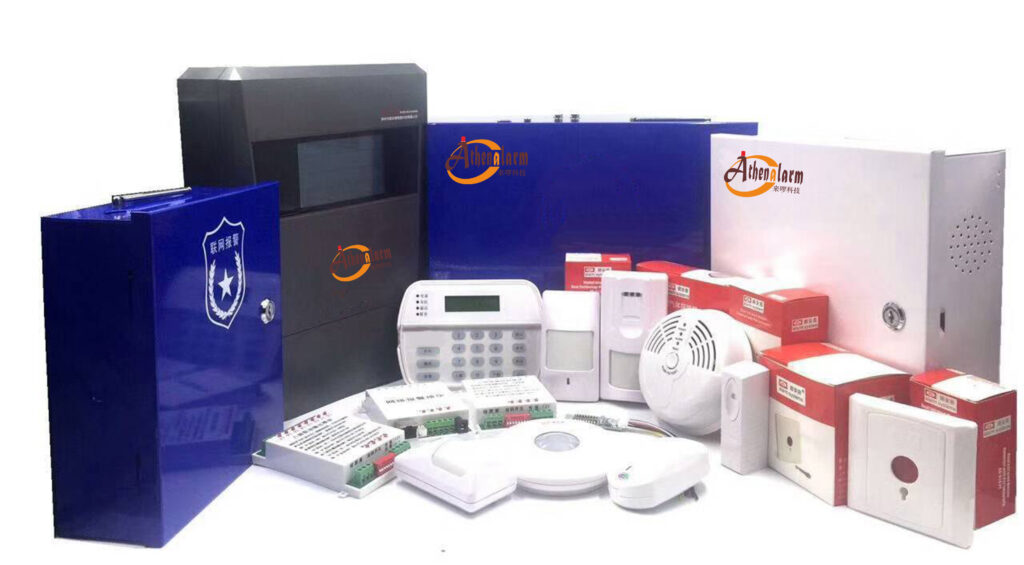
Dual technology sensors have become a core component of modern intrusion alarm systems, particularly in environments where false alarms are costly and system credibility is critical. By combining Passive Infrared (PIR) and microwave detection in a single device, these sensors aim to balance sensitivity with reliability.
For alarm installers and system designers, understanding how PIR and microwave technologies behave individually and together is essential. This article provides a practical, behavior-focused comparison of dual technology sensors, explaining how each technology works, where each fails, and how their interaction can be optimized in real-world security deployments.
Why Dual Technology Sensors Exist in Intrusion Alarm Systems
False alarms remain one of the most persistent problems in burglary alarm systems. Environmental noise, HVAC airflow, sunlight, pets, and structural movement frequently trigger single-technology motion detectors.
Dual technology sensors address this problem through cross-verification logic. An alarm output is generated only when both PIR and microwave detection criteria are met within a defined time window. This design philosophy significantly improves alarm integrity in both residential and commercial systems.
From a system knowledge perspective, dual technology sensors are not simply “two sensors in one housing” — they are behavior-driven devices whose performance depends heavily on installation geometry, environmental conditions, and configuration choices.
PIR Behavior in Dual Technology Sensors
Passive Infrared technology detects motion by sensing changes in infrared energy caused by warm objects moving across detection zones. In intrusion detection, PIR is primarily optimized for human body heat patterns.
Strengths of PIR Detection
- Highly selective for human movement
- Low power consumption (critical for wireless alarm sensors)
- Stable performance in thermally controlled indoor environments
- Well-defined detection zones using Fresnel lenses or mirror optics
Limitations Installers Must Consider
PIR behavior is directly influenced by thermal contrast. When the temperature difference between an intruder and the background is reduced, detection reliability drops.
Common PIR-related issues include:
- False alarms from sunlight exposure
- Triggering due to HVAC airflow or heaters
- Reduced sensitivity in high-temperature environments
- Unwanted activation from pets without proper lens masking
In a PIR microwave comparison, PIR should be viewed as precise but environmentally sensitive. In dual technology sensors, PIR typically acts as the primary detection gate, with microwave serving as confirmation.
Microwave Behavior in Dual Technology Sensors
Microwave motion detection is based on the Doppler effect, where emitted radio waves reflect off moving objects and return with a frequency shift. Unlike PIR, microwave detection is not dependent on heat.
Strengths of Microwave Detection
- Detects motion regardless of temperature
- Larger volumetric coverage than PIR
- Effective in cold storage, warehouses, and drafty environments
- Maintains performance in low-contrast thermal conditions
Key Behavioral Risks
Microwave energy can penetrate non-metallic materials, which introduces both advantages and risks:
- Detection through thin walls or partitions
- Susceptibility to movement outside the intended protected area
- Reflection issues near metal structures
- Increased false alarms if range is not properly controlled
In isolation, microwave sensors tend to be over-sensitive for burglary alarm use. In dual technology sensors, microwave behavior must be carefully constrained to avoid defeating the purpose of dual verification.

How Dual Technology Sensors Combine PIR and Microwave Behavior
Dual technology sensors typically operate using AND logic. An alarm condition occurs only when:
- PIR detects a valid infrared motion pattern, and
- Microwave detects corresponding movement within a defined verification interval (usually 0.5–3 seconds)
This behavioral pairing delivers several system-level benefits:
- Significant reduction in nuisance alarms
- Improved reliability in challenging environments
- Better immunity to single-source disturbances
From a design standpoint, the timing relationship between PIR and microwave activation is just as important as sensitivity levels. Poorly synchronized technologies can cause missed detections or delayed alarms.
Installation Behavior That Determines Real-World Performance
Dual technology sensors are often blamed for poor performance when the real issue is installation behavior, not sensor capability.
Recommended Installation Practices
- Mounting height: Typically 2.2–2.4 m (7–8 ft) for optimal PIR zone geometry
- Detection angle: Aim sensors across the expected intrusion path, not directly at it
- Microwave range adjustment: Reduce to the minimum required coverage to prevent wall penetration
- Environmental survey: Identify moving machinery, fans, reflective surfaces, and pets before final placement
- Walk testing: Test both technologies together under real operating conditions, not just during commissioning
For designers, it is critical to remember that microwave coverage often exceeds PIR coverage. The system should always be tuned so that PIR defines the protected area, with microwave acting only as verification.
Performance in High-Risk and Challenging Environments
Commercial and Industrial Sites
Dual technology sensors perform particularly well in:
- Warehouses with temperature fluctuations
- Manufacturing facilities with airflow and vibration
- Retail spaces with high ceilings and open layouts
Residential Installations
In homes, dual technology sensors are best applied in:
- Large living areas
- Rooms with pets
- Spaces exposed to sunlight or drafts
Pet-immune PIR combined with controlled microwave sensitivity significantly reduces service calls in residential alarm systems.

Common Problems and Practical Solutions
Problem: Random False Alarms
Likely causes
- Microwave range too high
- HVAC airflow crossing detection zones
- Reflective surfaces near sensor
Solution
- Reduce microwave sensitivity first
- Re-angle sensor away from vents
- Mask unused PIR zones if necessary
Problem: Missed Detections
Likely causes
- PIR thermal contrast too low
- Poor sensor orientation
- Excessive microwave filtering
Solution
- Adjust PIR sensitivity upward slightly
- Reposition sensor to cover cross-movement
- Verify timing window between technologies
Choosing the Right Dual Technology Sensor for Your System
When specifying dual technology sensors, installers and designers should prioritize:
- Compliance with UL 639 or EN 50131 standards
- Adjustable microwave range and pulse count
- Temperature compensation features
- Anti-masking where required
- Proven manufacturer documentation and testing data
Dual technology sensors typically cost more than single-technology PIR units, but the reduction in false alarms, service visits, and customer dissatisfaction often offsets the initial investment.
Key Behavioral Differences at a Glance
| Aspect | PIR | Microwave | Dual Technology Result |
|---|---|---|---|
| Primary detection basis | Heat change | Motion via RF | Cross-verified motion |
| Environmental sensitivity | High | Moderate | Balanced |
| False alarm risk alone | Medium | High | Low |
| Best use case | Indoor, stable temperature | Large or cold areas | Mixed or challenging environments |
Final Thoughts for Installers and Designers
Understanding microwave vs PIR dual technology sensor behavior is essential for building reliable intrusion alarm systems. These sensors are not “set and forget” devices — their effectiveness depends on informed design decisions, precise installation, and correct configuration.
When applied correctly, dual technology sensors deliver a measurable improvement in alarm credibility, system stability, and long-term customer satisfaction. For professionals working in burglary alarm systems, mastering PIR microwave comparison is no longer optional — it is a core competency.