
As a seasoned professional in the security alarm and intrusion prevention industry with more than two decades of real-world experience, I have worked directly with manufacturers, system integrators, distributors, and end users across retail, industrial, commercial, and institutional sectors. One lesson has remained consistent throughout my career: the reliability of your security alarm system is only as strong as the supplier behind it.
In this in-depth guide, I will walk you through how to correctly evaluate and select security system suppliers, alarm systems suppliers, security alarm suppliers, and security alarm system suppliers—not from a theoretical perspective, but from the standpoint of what actually works in the field. This article is written specifically for bulk buyers, security decision-makers, procurement teams, and system integrators who cannot afford costly mistakes, false alarms, supply disruptions, or long-term technical dead ends.
By the end of this guide, you will have a practical, step-by-step framework to identify trustworthy suppliers, avoid hidden risks, and build a scalable, future-proof alarm system strategy that protects your assets, your people, and your business continuity.
Understanding the Critical Role of Security Alarm Systems in Modern Theft Prevention
Before evaluating suppliers, it is essential to clearly understand why security alarm systems remain the backbone of modern theft prevention, even in an era of AI cameras and cloud analytics.
Based on long-term industry data and my direct project experience, intrusion alarms continue to serve three irreplaceable roles:
- Immediate threat detection (before loss occurs)
- Active deterrence through audible and visible alarms
- Triggering automated response workflows (monitoring centers, mobile alerts, access lockdowns)
In many real-world incidents I have investigated, CCTV footage only documented losses after the fact—while properly designed alarm systems stopped intrusions in real time.
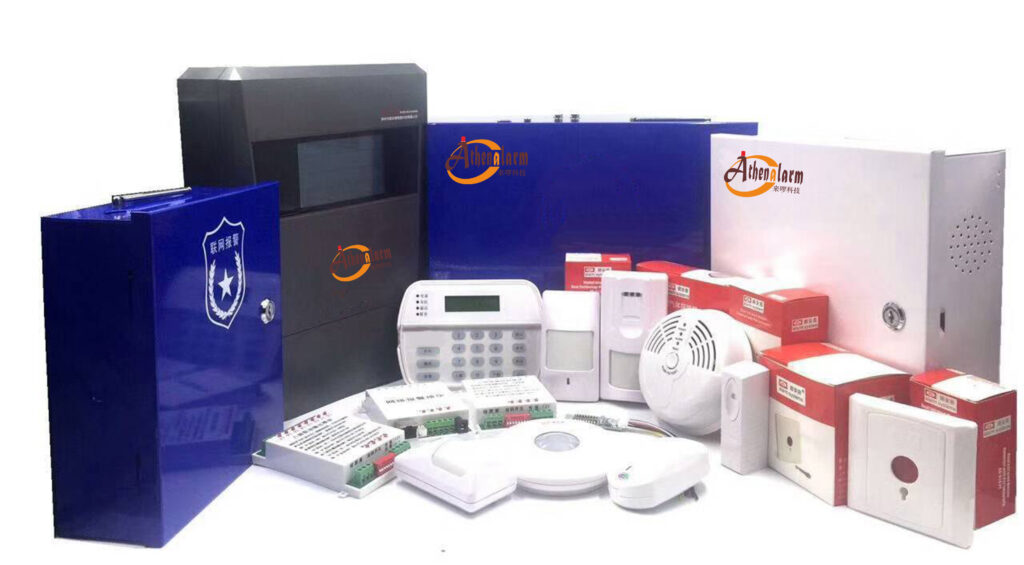
A professional-grade security alarm system typically includes:
- Intrusion sensors (motion, perimeter, environmental)
- A reliable control panel with redundant communication paths
- Local and remote notification mechanisms
- Optional professional monitoring services
The supplier you choose determines:
- Hardware stability and lifespan
- Firmware reliability and update cadence
- Long-term compatibility with future technologies
- The quality of technical support when failures occur
For organizations operating multiple locations, a weak supplier choice can multiply losses across every site.

Step-by-Step Process: How to Identify and Evaluate Potential Security Alarm Suppliers
Selecting security alarm suppliers should never be rushed. Below is a practical, proven evaluation process I have used repeatedly for clients managing anywhere from 10 to 1,000+ alarm installations.
Step 1: Define Your Operational Security Requirements Clearly
Before contacting any alarm systems suppliers, internal clarity is mandatory.
1. Conduct a Site-Based Risk Assessment
- Identify intrusion-prone zones: entrances, loading bays, rooftops, emergency exits
- Define threat types: burglary, internal theft, vandalism, sabotage
- Assign risk levels and response priorities
2. Define System Architecture Requirements
- Wired, wireless, or hybrid
- Single-site vs. multi-site centralized management
- Required integrations (CCTV, access control, fire alarm, BMS)
3. Establish Scalability Expectations
- Will sites be added within 1–3 years?
- Will alarm zones expand?
- Will third-party integrations be required later?
4. Set Compliance and Certification Baselines
- UL, EN, CE, FCC, or regional equivalents
- Industry-specific compliance (finance, healthcare, logistics)
Failure to define these points upfront is one of the most common—and expensive—mistakes I see.
Step 2: Research and Shortlist Qualified Security Alarm System Suppliers
Not all suppliers operating under the label “security alarm suppliers” are equal.
Effective research channels include:
- Professional security trade shows and expos
- Industry publications and integrator networks
- Manufacturer authorization directories
- Peer recommendations from system integrators
When shortlisting suppliers, look for:
- Minimum 5–10 years of market presence
- Clear product roadmaps
- Transparent documentation and certifications
- Experience with projects similar to yours
Avoid suppliers that rely heavily on marketing language but lack technical depth.
Step 3: Perform Deep Technical and Commercial Due Diligence
This is where real expertise matters.
Key areas to evaluate:
1. Product Reliability
- Sensor false-alarm resistance
- Control panel processing stability
- Communication redundancy (IP + cellular)
2. Software & Firmware Strategy
- Frequency of updates
- Backward compatibility
- Cybersecurity protections
3. Manufacturing & Supply Chain Stability
- Multiple production facilities
- Component sourcing transparency
- Inventory continuity planning
4. Support and Service Capability
- Technical documentation quality
- Engineering-level support availability
- Clear escalation procedures
In my experience, suppliers that cannot clearly explain these elements rarely perform well long-term.
Step 4: Request Proposals, Demos, and Pilot Deployments
Never commit based on datasheets alone.
Best practices include:
- Issuing structured RFPs
- Requesting live system demonstrations
- Conducting pilot installations at representative sites
- Testing real alarm events, not just demo scenarios
Pay close attention to:
- Alarm transmission speed
- System behavior during power or network failure
- Ease of configuration and maintenance
Step 5: Contracting, SLAs, and Long-Term Risk Control
Before final selection, contracts must protect you—not just the supplier.
Key contract elements:
- Clear hardware and software warranties
- Defined response times for technical issues
- Firmware update obligations
- Data ownership and privacy clauses
- Exit and migration options
Suppliers unwilling to formalize these terms are rarely reliable partners.

Matching Alarm System Types with Supplier Strengths
Different applications require different supplier competencies.
Commercial & Industrial
- Focus on perimeter detection, redundancy, scalability
- Suppliers with strong enterprise portfolios perform best
Retail Chains
- Require standardized kits, fast deployment, centralized management
- Supplier consistency matters more than niche features
Property Management & Multi-Unit Housing
- Balance cost, reliability, and ease of maintenance
- Wireless-hybrid solutions often excel here
Selecting a supplier outside their core expertise often leads to chronic operational issues.
Common Mistakes When Choosing Security Alarm Suppliers (and How to Avoid Them)
Over the years, I have repeatedly seen the same errors:
- Choosing based on unit price instead of lifecycle cost
- Ignoring firmware update policies
- Underestimating integration complexity
- Failing to plan for expansion
- Assuming all “AI” claims are meaningful
Every one of these mistakes leads to higher long-term costs and operational frustration.
Operational Best Practices After Supplier Selection
Even the best supplier cannot compensate for poor deployment.
Installation Best Practices
- Proper sensor placement and zoning
- Controlled panel access locations
- Redundant communication testing
Maintenance Discipline
- Scheduled inspections
- Battery replacement cycles
- Alarm event audits
Organizations that follow these practices experience dramatically fewer failures and false alarms.
Conclusion: Building Long-Term Security Through the Right Supplier Partnerships
Choosing the right security alarm system suppliers is not a one-time purchasing decision—it is a long-term strategic investment in resilience, safety, and operational continuity.
By applying the principles in this guide, you position your organization to:
- Reduce security incidents
- Minimize false alarms and downtime
- Scale protection confidently
- Avoid costly supplier lock-in mistakes
In my professional opinion, organizations that treat supplier selection seriously outperform those that chase short-term savings every time.