
As a seasoned expert in the theft prevention and security alarm industry with over two decades of hands-on experience—from engineering multi-layered intrusion systems for commercial high-rises to advising distributors on six-figure bulk alarm procurements—I have learned one hard truth: your choice of alarm supplier can either fortify your entire security operation or quietly undermine it from within.
In today’s threat landscape, security professionals are no longer defending only against physical intrusions. We are also managing false alarms, integration failures, cyber-physical risks, regulatory pressure, and relentless cost control. In this environment, partnering with the right alarm supplier, and more specifically direct alarm suppliers, is no longer a tactical purchasing decision—it is a strategic business lever that directly affects profitability, operational resilience, and client trust.
This article is written for professionals who live inside these realities every day:
security system integrators, alarm installers, technical directors, procurement managers, monitoring-center operators, distributors, and bulk buyers operating in the anti-theft alarm sector.
If you are facing inconsistent product quality, delayed shipments, shrinking margins, or alarm systems that struggle to integrate with modern platforms, you are not alone. I see these challenges repeatedly across regions and verticals. The good news is that many of these problems trace back to how suppliers are selected and managed—and they can be fixed.
This guide expands on proven industry practice and real-world experience. It walks you through how to evaluate, select, negotiate with, and scale alongside direct alarm suppliers, while avoiding the costly mistakes that derail otherwise sound security projects. By the end, you will have a practical, field-tested framework you can apply immediately—whether you manage ten sites or ten thousand.
Section 1: Understanding the Role of Direct Alarm Suppliers in Modern Theft Prevention
To build effective partnerships, we must first clarify what direct alarm suppliers actually represent in the modern security ecosystem.
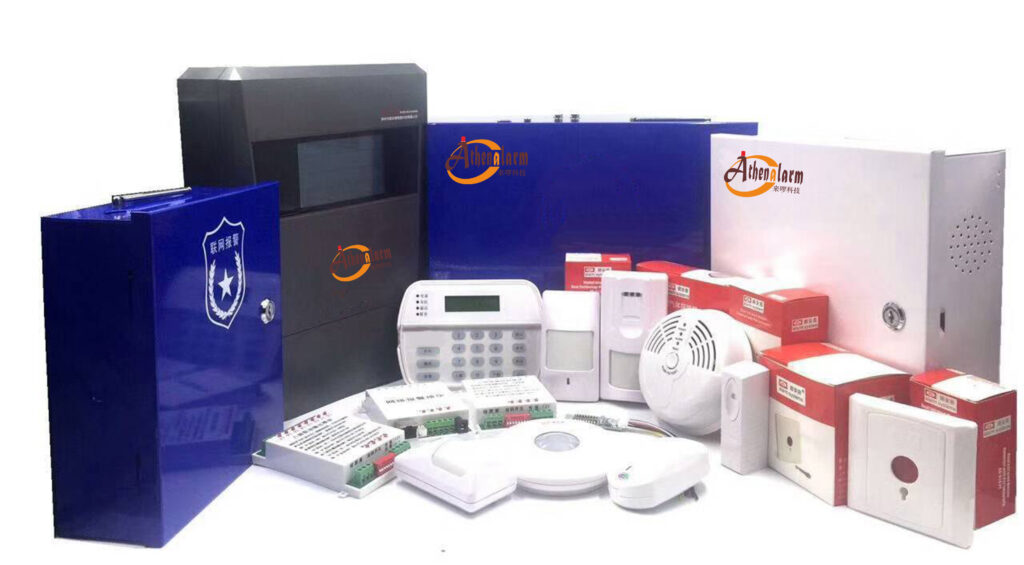
A direct alarm supplier is typically the original manufacturer or primary producer of alarm hardware, firmware, and in many cases, supporting software platforms. Unlike resellers or regional distributors, direct suppliers sell without intermediary layers, which fundamentally changes the economics, flexibility, and technical depth of the relationship.
From a theft-prevention perspective, this distinction matters. Alarm systems are not generic commodities. Performance depends on firmware logic, sensor calibration, environmental tolerance, integration protocols, and long-term support. Direct suppliers retain control over all of these variables.
In practice, this means:
- Faster access to new technologies (AI-driven intrusion detection, video verification, cloud-managed control panels)
- The ability to customize hardware or firmware for specific deployment environments
- Direct escalation paths when failures occur
- Greater transparency around product roadmaps and lifecycle planning
During a multi-site retail rollout I advised, switching from a layered distributor model to a direct alarm supplier reduced false alarms by over 40%. The improvement did not come from better installation alone, but from supplier-level tuning of detection algorithms to account for HVAC airflow and store layout—something only a direct supplier could realistically support.
Why Direct Suppliers Matter More Than Ever
Several macro trends make direct supplier partnerships increasingly critical:
- Complexity of systems: Alarms are now tightly integrated with video, access control, cloud platforms, and mobile apps.
- Margin pressure: Rising labor and logistics costs leave little room for unnecessary markups.
- Speed of deployment: Projects delayed by weeks can trigger contractual penalties or lost clients.
- Regulatory scrutiny: Compliance failures now carry material financial risk.
Direct alarm suppliers sit at the center of these pressures—and when chosen correctly, they become an operational advantage rather than a bottleneck.

Section 2: Strategic Benefits of Working with Direct Alarm Suppliers
Working directly with alarm suppliers delivers benefits that go far beyond price.
1. Cost Structure Transparency and Margin Protection
Direct sourcing typically reduces acquisition costs by 25–35% in bulk scenarios. More importantly, it allows you to understand why costs are what they are—component pricing, firmware licensing, and support costs become visible instead of bundled.
This transparency enables smarter pricing models for integrators and distributors, protecting margins even in competitive bids.
2. System Reliability and Reduced Operational Noise
False alarms remain one of the most expensive operational drains in the industry. Direct suppliers can adjust detection logic, sensor sensitivity, and reporting thresholds at the firmware level—dramatically reducing nuisance alarms and monitoring center overload.
Lower false alarm rates translate directly into:
- Reduced dispatch costs
- Improved customer satisfaction
- Better relationships with local authorities
3. Scalability Without System Rebuilds
Direct alarm suppliers often design platforms with modular scalability. Expansion does not require replacing control panels or rewriting integration logic. For growing operations, this avoids costly “rip-and-replace” cycles.
4. Compliance and Risk Reduction
Direct suppliers are typically closer to certification bodies and regulatory updates. This ensures faster alignment with evolving standards such as UL, NFPA, or regional equivalents—reducing audit risk and project delays.
5. Long-Term Technical Partnership
Perhaps the most underestimated benefit is access to engineering talent. When problems arise—and they will—having direct access to product engineers rather than third-party support desks is often the difference between a one-day fix and a multi-week escalation.
Section 3: A Practical, Step-by-Step Framework for Evaluating Direct Alarm Suppliers
Selecting the right alarm supplier requires discipline. Below is a refined, field-tested process that balances speed with risk control.
Step 1: Define Operational and Technical Requirements
Before contacting any supplier:
- Map alarm types required (intrusion, panic, environmental, fire integration)
- Define integration needs (VMS, access control, monitoring software)
- Estimate realistic volumes over 12–36 months
- Identify recurring pain points (false alarms, battery life, installation time)
This internal clarity prevents suppliers from steering the conversation toward what they want to sell.
Step 2: Build a Focused Supplier Shortlist
Target suppliers with:
- Proven experience in your deployment scale
- Clear documentation and product roadmaps
- Transparent support structures
Industry events, professional associations, and peer referrals remain more reliable than online directories alone.
Step 3: Verify Certifications and Manufacturing Capability
Go beyond logos on websites:
- Request certification numbers and audit dates
- Ask for manufacturing process overviews
- Review quality control and failure-rate data
A supplier unwilling to share this information is signaling future risk.
Step 4: Pilot Testing and Performance Validation
Never skip field trials. During pilots:
- Measure false alarm rates
- Evaluate installation time
- Test performance under edge conditions (power loss, network latency)
Document results rigorously. Data beats opinions during negotiations.
Step 5: Commercial Negotiation and Contract Structuring
Contracts should clearly define:
- Service level agreements (SLAs)
- Lead times and penalties
- Firmware update responsibilities
- Exit clauses and IP ownership where relevant
This protects both sides and establishes a professional baseline.
Section 4: Common and Costly Mistakes to Avoid
Even experienced security professionals make avoidable errors:
- Chasing lowest unit price instead of total lifecycle cost
- Ignoring supplier financial stability, leading to abandoned product lines
- Underestimating training needs, increasing installation errors
- Failing to plan redundancy, creating single points of failure
Each of these mistakes has caused project failures I have personally been called in to repair—often at multiples of the original cost savings.
Section 5: Key Trends Shaping Direct Alarm Suppliers Toward 2026
Understanding supplier direction is essential for future-proofing decisions.
Key developments include:
- AI-assisted intrusion classification
- Secure cloud-managed alarm ecosystems
- Deeper video verification integration
- Stronger data privacy and encryption requirements
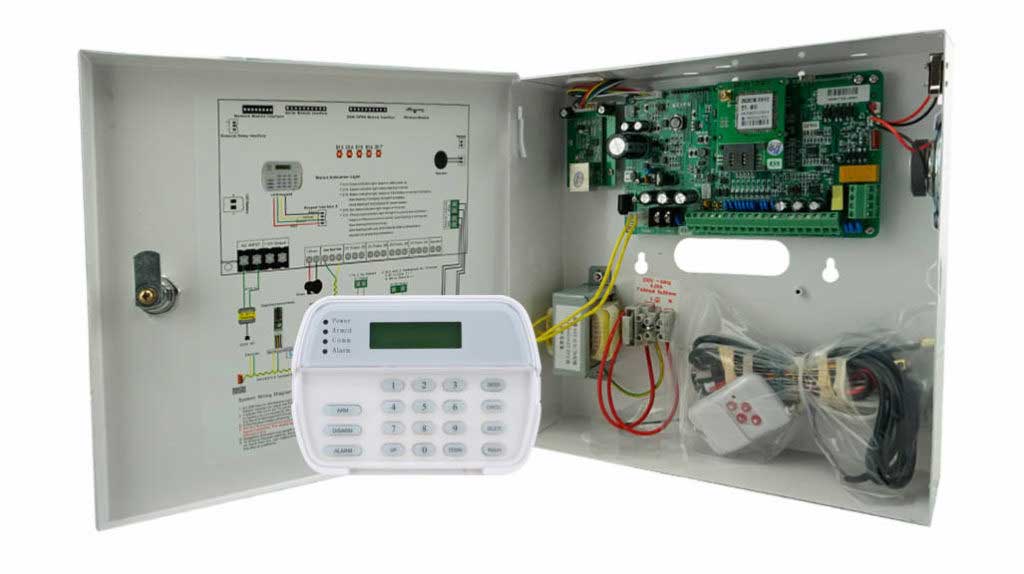
- Modular hardware designed for rapid upgrades
Choosing suppliers investing in these areas ensures your systems remain relevant—not obsolete—within a few years.
Section 6: Real-World Outcomes from Effective Supplier Partnerships
Across retail, commercial real estate, industrial sites, and logistics hubs, organizations that moved to direct alarm supplier partnerships consistently achieved:
- Measurable theft reduction
- Lower monitoring costs
- Faster response times
- Higher customer retention
These results did not come from technology alone, but from alignment between supplier capabilities and operational realities.
Section 7: Negotiating for Long-Term Value, Not Short-Term Discounts
Effective negotiation focuses on:
- Predictable pricing structures
- Support commitments
- Upgrade paths
- Shared growth incentives
The strongest agreements I have structured felt collaborative, not adversarial. Suppliers who invest in your success tend to outperform those who merely sell products.
Section 8: Certifications and Standards as a Decision Filter
Certifications are not formalities—they are risk filters. Always prioritize suppliers with verifiable compliance to relevant regional and international standards, and treat missing certifications as a strategic red flag.
Conclusion: Turning Supplier Relationships into Strategic Assets
Partnering with direct alarm suppliers is not about cutting corners—it is about building durable security systems that perform under real-world pressure.
When approached methodically, these partnerships reduce costs, improve reliability, and create room for innovation. As someone who has seen both failed and successful implementations up close, I can say with confidence: the difference is rarely the alarm itself—it is the supplier relationship behind it.
If you take one action after reading this article, let it be this: audit your current supplier relationships with the same rigor you apply to system design. The results may surprise you—and significantly strengthen your security outcomes.