
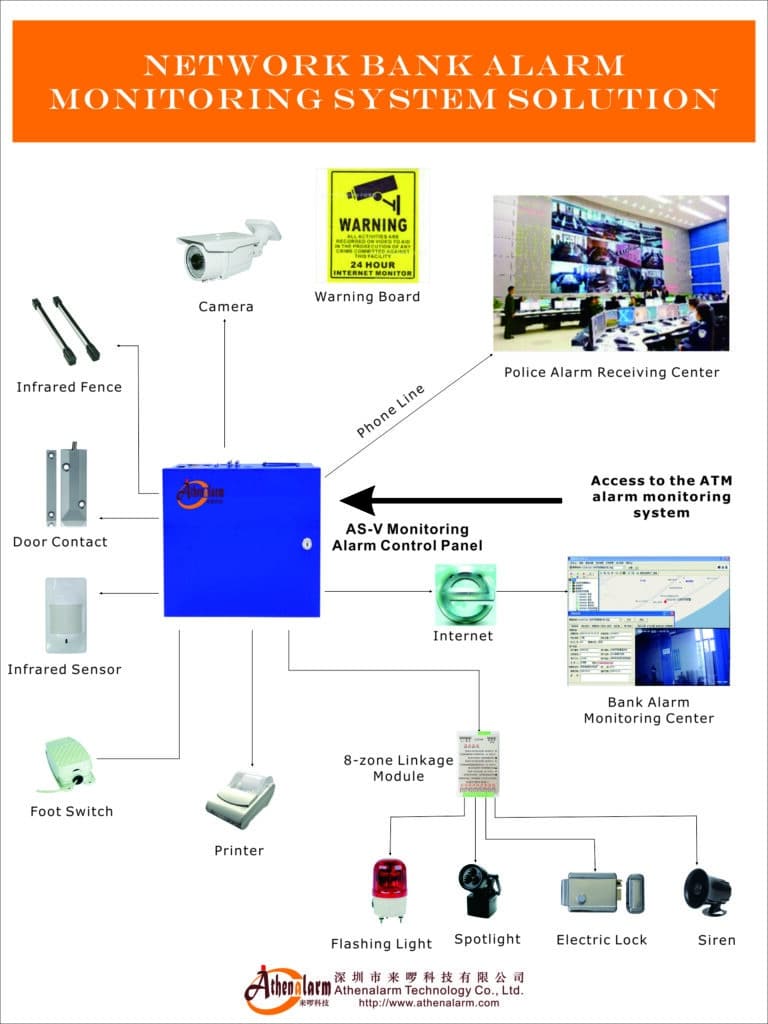
In the high-stakes world of financial security, where every cash transaction represents both trust and risk, one deceptively simple question continues to surface among security professionals, financial institutions, and ATM operators worldwide: do ATMs have alarms?
As a veteran professional in the anti-theft alarm and intrusion detection industry with over twenty years of direct experience designing, deploying, and auditing ATM security systems for banks, retail ATM operators, and cash-handling networks, I can say with certainty that this question exposes a dangerous misconception. Many stakeholders assume that alarms are “standard” in ATMs. In reality, the presence, capability, and effectiveness of ATM alarm systems vary dramatically—and those gaps are exactly what criminals exploit.
ATM attacks are no longer opportunistic smash-and-grab crimes. Today’s threats include coordinated ram raids, gas explosions, internal jackpotting malware, safe drilling, cabinet lifting, and timed attacks executed in under three minutes. When alarms are absent, poorly configured, or not professionally monitored, an ATM becomes a soft target with catastrophic consequences: direct cash loss, operational downtime, regulatory penalties, reputational damage, and rising insurance premiums.
This guide is not theoretical. It is built from real-world deployments, forensic investigations of failed ATM defenses, and successful alarm retrofits across hundreds of ATM locations. I will explain whether ATMs truly have alarms, what those alarms actually do (and often fail to do), and—most importantly—how to implement a modern, layered ATM theft alarm system that works in real conditions. If you are responsible for ATM security decisions, bulk procurement, or system upgrades, this guide is designed to give you clarity, confidence, and actionable direction.
Why Theft Alarms Are Non-Negotiable in Modern ATM Security
ATMs sit at the intersection of physical and digital risk. They contain cash, electronics, network connectivity, and predictable access patterns—making them exceptionally attractive to organized crime.
Industry data consistently confirms this risk trajectory. ATM physical attacks increased sharply between 2019 and 2023 across North America and Europe, with ram raids, explosive attacks, and safe extraction incidents becoming more sophisticated and faster. What many incident reports reveal is not just how attacks occur—but how often alarms either never activated or were incapable of triggering a meaningful response.
A properly designed ATM alarm system serves three critical functions:
- Immediate Detection – Identifying abnormal physical conditions such as vibration, tilt, forced entry, heat, or gas presence.
- Real-Time Alerting – Transmitting actionable alerts to a monitoring center, law enforcement, or response teams without delay.
- Active Deterrence – Creating noise, light, fog, or uncertainty that interrupts the attacker’s timeline.
Without alarms, or with alarms that only trigger local sirens without monitoring, ATMs rely purely on chance for protection. From a professional standpoint, that is not security—it is exposure.
Do ATMs Have Alarms? The Real-World Answer Security Professionals Need
So, do ATMs have alarms by default?
The honest answer is: some do, many don’t—and even fewer are adequately protected.
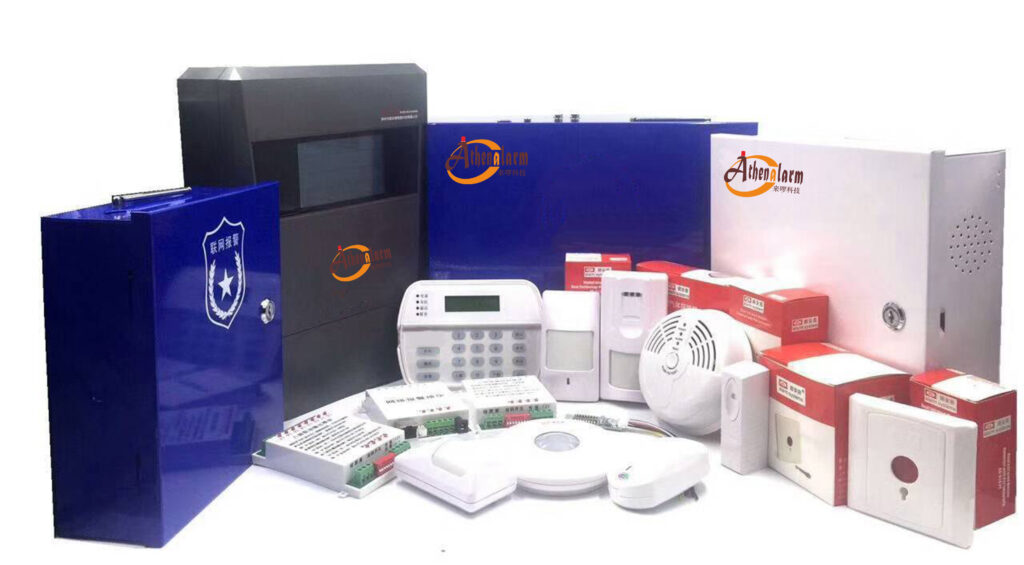
Modern ATM platforms from manufacturers such as NCR, Diebold Nixdorf, and Hyosung often include basic alarm-capable hardware or internal alarm boards. These components can accept signals from sensors such as door contacts or vibration detectors. However, the existence of alarm-capable hardware does not guarantee that:
- Sensors are actually installed
- Alarm thresholds are properly configured
- Alerts are transmitted externally
- Responses are monitored 24/7
In practice, I regularly encounter ATMs that technically “have alarms” but functionally provide no real protection.
Common alarm gaps include:
- Built-in sensors disabled to avoid nuisance alarms
- No cellular or IP alarm communication path
- Alarms tied only to local buzzers with no monitoring
- Legacy ATMs never retrofitted with modern sensors
- Off-premise ATMs relying solely on store security
From a theft alarm professional’s perspective, an ATM without a monitored, multi-sensor alarm system should be considered high risk, regardless of brand or location.
Core Types of ATM Theft Alarms and What They Actually Protect Against
Effective ATM alarm protection is never a single device—it is a layered system. Below are the essential alarm categories every secure ATM deployment should include.
1. Vibration and Shock Detection Alarms
These sensors detect drilling, hammering, cutting, and explosive shock waves. Properly configured digital vibration sensors distinguish between normal environmental vibration and attack-level energy. Incorrect calibration is one of the most common installation mistakes.
2. Tilt and Movement Alarms
Tilt sensors detect cabinet lifting or forced movement—critical for preventing hook-and-chain and vehicle-assisted attacks. A tilt change beyond a defined threshold should immediately trigger a silent alarm and machine lockdown.
3. Door, Vault, and Panel Contact Alarms
Magnetic or pressure-based contacts detect unauthorized opening of ATM doors, vaults, or service panels. These alarms are essential for early-stage intrusion detection.
4. Gas and Thermal Detection Alarms
Explosive gas attacks remain one of the most destructive ATM threats in Europe. Gas sensors and rapid thermal rise detectors identify these attacks in their earliest stages, enabling immediate response.
5. Audible and Visual Deterrent Alarms
High-decibel sirens and strobe lights disrupt attackers, increase psychological pressure, and attract attention. These are most effective in public or high-visibility locations.
6. Silent Alarm Transmission Systems
Silent alarms notify monitoring centers and law enforcement without alerting attackers. These are essential for organized crime scenarios, including jackpotting.
7. Advanced Countermeasures (Fog, Ink, GPS)
High-risk sites benefit from active countermeasures such as fogging systems that obscure visibility, ink staining to neutralize stolen cash, and GPS tracking for forced ATM removal.
Step-by-Step: How to Implement a Professional ATM Alarm System That Actually Works
Based on decades of deployment experience, the following process reflects best practices used by banks and professional ATM operators.
Step 1: Perform a Threat-Based ATM Security Assessment
Evaluate each ATM location based on:
- Historical crime data
- Visibility and access routes
- Anchoring and physical reinforcement
- Existing alarm and monitoring capabilities
Document attack likelihood and potential loss impact.
Step 2: Select Alarm Architecture Based on Risk Level
Low-risk ATMs may require basic sensor packages with monitoring, while high-risk sites demand full multi-layer alarm integration with active deterrents.
Step 3: Install and Physically Secure Sensors
Sensors must be mounted correctly inside the safe and cabinet, protected from tampering, and tested against real attack simulations—not just bench tests.
Step 4: Configure Alarm Logic and Thresholds
Poor configuration causes false alarms or missed attacks. Thresholds must reflect local environmental conditions and ATM structure.
Step 5: Connect to a 24/7 Certified Monitoring Center
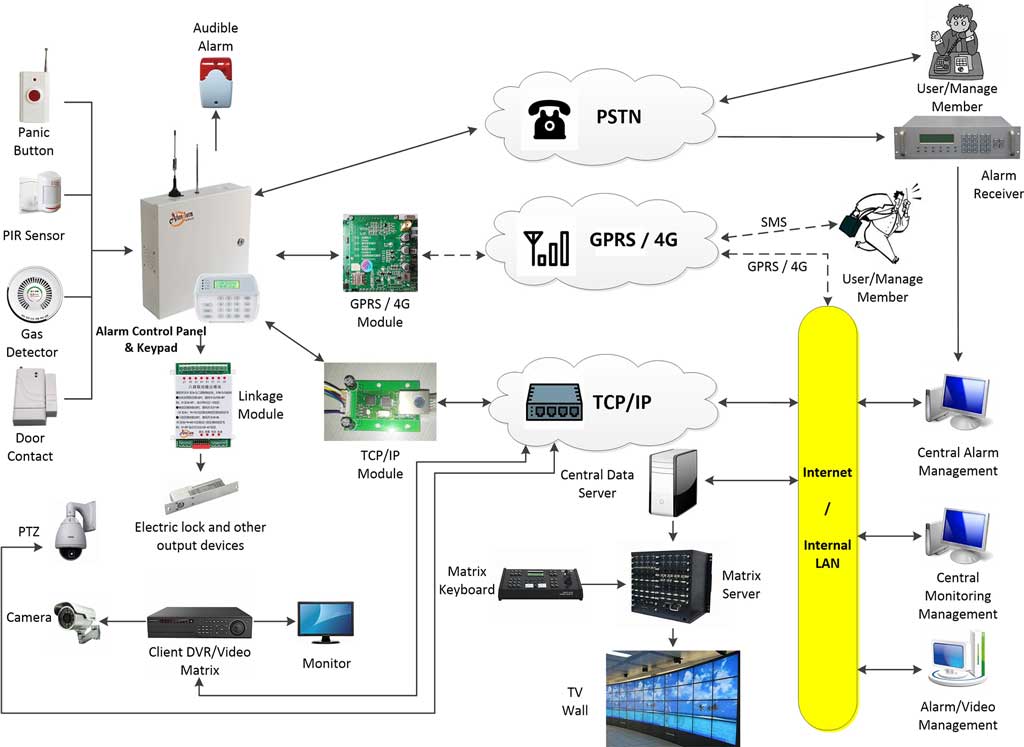
An alarm without monitoring is ineffective. Ensure redundancy via cellular and IP paths, encrypted transmission, and verified response protocols.
Step 6: Test, Audit, and Train
Simulate attacks, verify alert delivery times, and train personnel on escalation procedures. Schedule regular audits and firmware updates.
Common ATM Alarm Failures (And How to Avoid Them)
From post-incident investigations, the most frequent failures include:
- Alarms triggering locally but never transmitted
- Monitoring centers lacking ATM-specific response training
- Sensors disabled due to nuisance alarms
- No maintenance schedule for batteries and firmware
Each of these failures is preventable with professional design and lifecycle management.

Regulatory and Insurance Considerations You Cannot Ignore
ATM alarm systems directly impact:
- PCI DSS compliance
- Local and national banking regulations
- Insurance eligibility and premium rates
Insurers increasingly require documented alarm systems with monitoring and maintenance records. Non-compliance can result in denied claims after an attack.
Final Perspective: Do ATMs Have Alarms—and Are Yours Truly Protected?
Yes, ATMs can have alarms—but effective protection depends entirely on how those alarms are designed, installed, monitored, and maintained. In today’s threat environment, assuming your ATM is protected simply because it is “modern” is a costly mistake.
A professionally implemented ATM theft alarm system transforms an ATM from a vulnerable cash target into a hardened asset that actively resists attack.
If your organization operates or manages ATMs and security is a priority, now is the time to reassess your alarm strategy—before criminals do it for you.
Recommend: