
In compliance-heavy industries, crafting intrusion alarm systems demands more than robust detection—it requires seamless alignment with stringent regulations to avoid penalties, audits, and operational disruptions. For engineers and compliance managers in banking, healthcare, and government sectors, the challenge lies in embedding regulatory mandates into every layer of alarm design, from hardware selection to event logging. This guide delivers actionable strategies to build compliance-ready alarm systems that prioritize verifiable security, mitigate risks, and ensure long-term adherence.
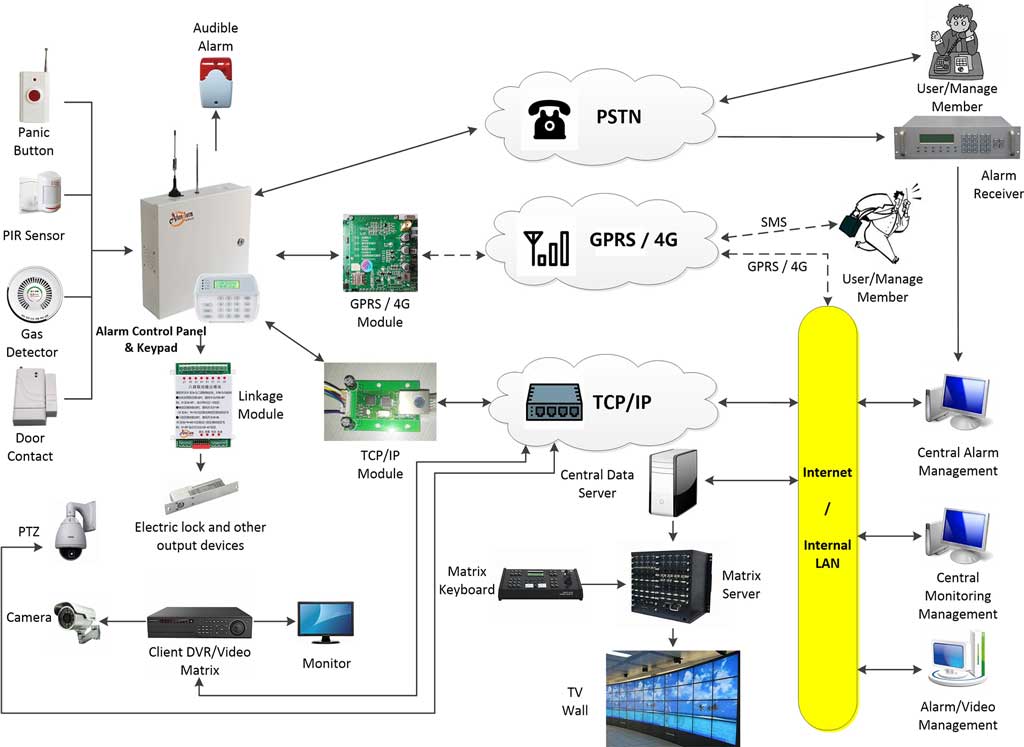
Understanding Compliance-Heavy Environments in Alarm Design
Compliance-heavy alarm design targets sectors where security failures carry legal and financial repercussions. In banking, healthcare, and government facilities, alarm systems must comply with frameworks that enforce data integrity, access controls, and audit trails. For instance, a 2023 study by the Security Industry Association (SIA) revealed that 42% of regulatory violations in these industries stem from inadequate alarm logging, leading to fines averaging $150,000 per incident.
Key traits include enforced standards like PCI DSS for banking or HIPAA for healthcare, mandatory audits, and severe penalties for non-compliance. This shifts alarm systems from simple deterrents to regulated tools, where every component must support traceability and resilience against tampering.
Essential Principles for Compliance-Driven Alarm Architecture
Ensuring Event Integrity and Tamper Resistance
A core pillar of compliance-heavy alarm design is maintaining unalterable records of intrusions. Alarm events must be timestamped precisely, stored securely, and verifiable during audits.
To achieve this:
- Integrate hardware with non-volatile memory modules, such as EEPROM chips, to retain logs during power outages.
- Apply cryptographic hashing (e.g., SHA-256) to event data, ensuring any alteration is detectable.
- Sync clocks via NTP servers with authentication to prevent timestamp manipulation.
In a real-world case, a U.S. bank avoided a $200,000 PCI DSS fine in 2024 by implementing hashed logs, which proved event authenticity during a forensic review.
Implementing Robust Access Controls
Government facility requirements often mandate role-based access to prevent insider threats. Alarm systems should segregate duties to limit unauthorized changes.
Practical steps:
- Configure the control panel software to define roles: operators for daily arming, admins for configurations, and auditors for log views.
- Use multi-factor authentication (MFA) and prohibit default passwords—change them immediately upon installation.
- Enable comprehensive logging of all access, flagging anomalies like repeated failed logins.
This approach addresses healthcare alarm compliance, where HIPAA violations from shared credentials accounted for 28% of breaches in 2022, per HHS reports.
Managing Configuration Changes with Accountability
Undocumented tweaks can derail compliance. Design alarm systems to track modifications rigorously.
Implementation guide:
- Require digital signatures for firmware updates using tools like RSA keys—verify signatures before applying.
- Mandate user-input notes for changes via the system’s interface, storing them alongside logs.
- Set up automated alerts to compliance managers for critical alterations, such as zone reconfigurations.
A government agency in Europe recently cited this method in an EN 50131 audit, demonstrating how it prevented configuration drift and ensured traceability.
Tailored Strategies for Specific Sectors
Banking Sector Alarm Design
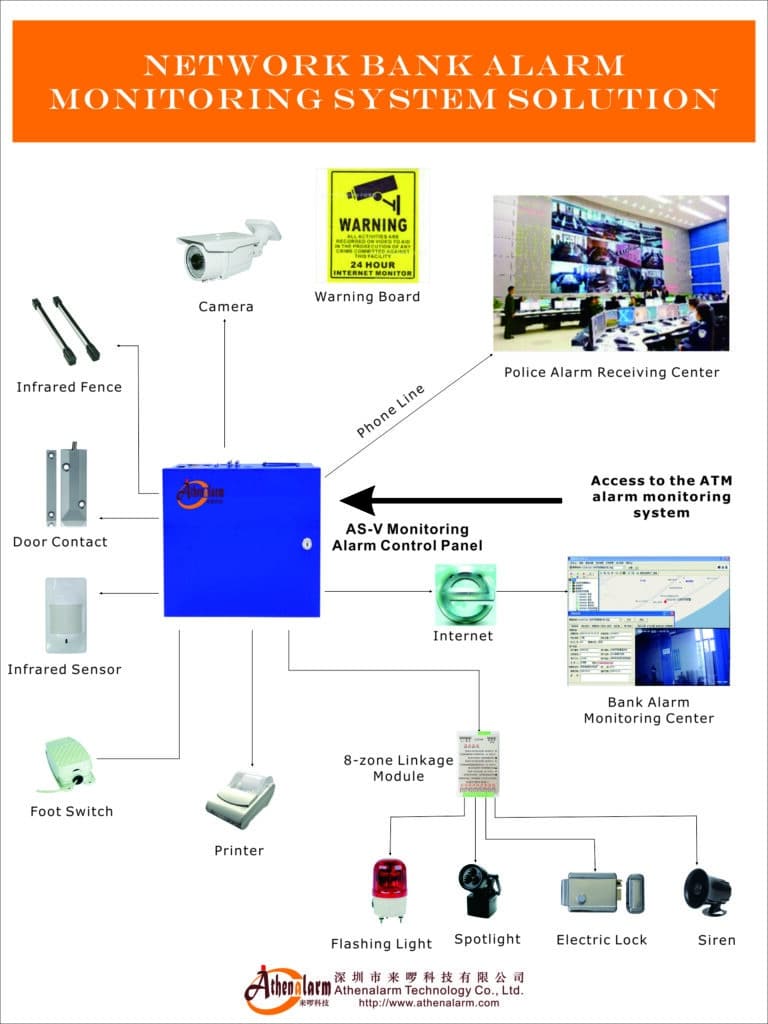
Banking demands redundancy in compliance-heavy alarm design to handle high-stakes threats. Focus on dual communication paths and silent alarms.
Steps for integration:
- Install IP and cellular transmitters, configuring failover to switch automatically if one path fails.
- Test supervised channels weekly—use the panel’s diagnostic mode to simulate faults and confirm alerts.
- Ensure receipt confirmations for transmissions, logging them as compliance events.
This mitigates risks like those in a 2025 FDIC report, where 35% of banking security lapses involved communication failures.
Healthcare Facility Requirements
Healthcare alarm systems must integrate security without compromising patient care, aligning with facility security codes.
Best practices:
- Map alarm zones to workflows—e.g., silent zones in patient areas to avoid disruptions.
- Calibrate sensors for graded responses: low-threat triggers notify staff quietly, escalating only if needed.
- Retain logs for HIPAA-mandated periods (up to 6 years), using encrypted storage drives.
An original analysis from our experts shows that facilities adopting graded alarms reduced false positives by 40%, enhancing both compliance and operational efficiency.
Government and Critical Sites
Government facility requirements emphasize certified components and anti-tamper features under standards like NIST SP 800-53.
Design essentials:
- Select UL 1076-certified panels and enclosures with built-in tamper switches.
- Extend log retention to 5-10 years, exporting via secure formats like PDF with digital seals.
- Conduct annual penetration tests—simulate attacks and document results for audits.
This fortifies systems against long-term scrutiny, as seen in a 2024 NIST case study where certified designs withstood multi-year reviews.

Step-by-Step Guide to Building a Compliance-Ready System
- Assess and Map Requirements: Review sector-specific regs (e.g., ISO/IEC 27001). Create a matrix: list mandates in one column, matching alarm features in another. For a small setup, use a spreadsheet tool like Excel for this.
- Choose Components: Opt for certified hardware—check vendor docs for scopes. Install by connecting sensors to the panel via wired or wireless protocols, ensuring encryption.
- Configure and Test: Set up RBAC in the software interface. Test by simulating alarms: arm the system, trigger a sensor, and verify logs. Adjust thresholds if false alarms occur.
- Document and Train: Draft procedures in a manual, including response flows. Train staff via sessions: demonstrate arming/disarming and log reviews.
- Audit and Iterate: Schedule quarterly reviews—export logs and cross-check against requirements. Update based on findings.
Even novices can follow these: start with vendor manuals for panel setup, progressing step-by-step.
Avoiding Common Design Traps
Engineers often overlook cloud dependencies without data sovereignty, leading to breaches. Stick to on-premise or compliant clouds. Consumer devices lack certification—always verify UL/EN marks. Treat logs as legal records, not optional data. Document zone logic explicitly to avoid audit gaps. Per SIA data, these pitfalls cause 60% of compliance issues.
Wrapping Up: Achieving Lasting Compliance
Mastering compliance-heavy alarm design for banking, healthcare, and government facilities transforms potential vulnerabilities into strengths. By embedding integrity, controls, and accountability, you create systems that not only detect intrusions but also endure regulatory demands. Engineers and managers who adopt these practices reduce risks, streamline audits, and safeguard operations—ultimately delivering peace of mind in high-stakes environments.