
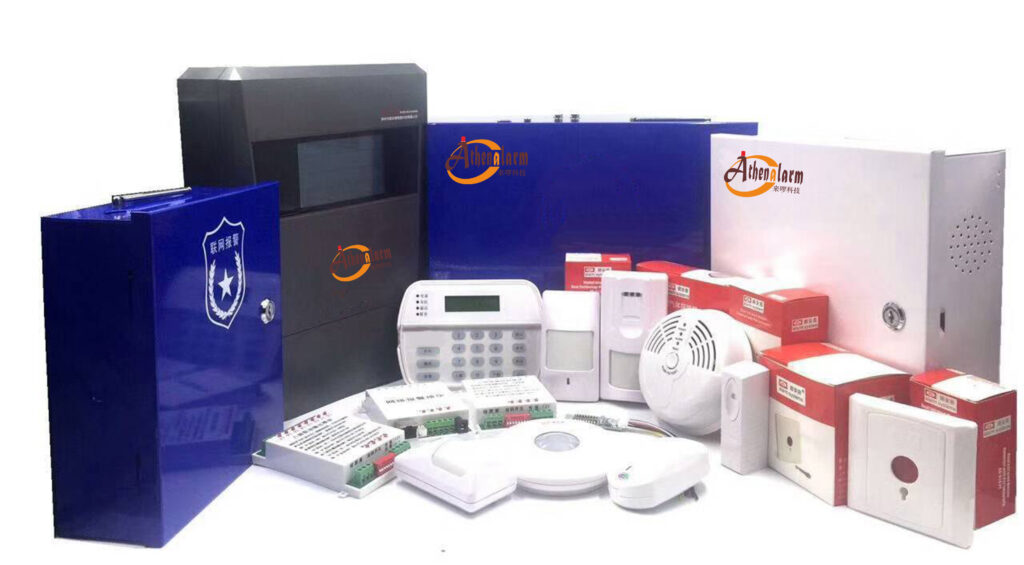
In the fast-paced world of intrusion detection and alarm technology, engineers and product managers face a pressing challenge: creating systems that withstand technological shifts without becoming obsolete. Traditional alarm setups often lock users into rigid configurations, leading to costly overhauls when standards evolve or threats intensify. Future-proof alarms address this by prioritizing longevity and flexibility, allowing seamless adaptations that extend system life while maintaining robust protection against burglaries and unauthorized access.
This guide equips you with actionable strategies to design alarm systems that evolve gracefully. We’ll explore modular hardware for easy upgrades, software frameworks that support ongoing enhancements, and approaches to ensure backward compatibility—all tailored to reduce downtime, cut costs, and enhance security in residential, commercial, and industrial settings.
Why Future-Proofing Is Essential for Intrusion Alarm Longevity
Alarm systems must endure for years, often a decade or more, amid rapid changes in wireless technologies, cybersecurity protocols, and compliance mandates. Without future-proofing, even high-end installations can falter, exposing vulnerabilities or forcing premature replacements. For instance, the sunset of 3G networks left many legacy alarms disconnected, highlighting the need for adaptable designs.
A truly future-proof alarm system incorporates modular upgrades to swap out outdated parts, swappable components for quick field repairs, and backward compatibility to integrate new tech with existing infrastructure. This not only minimizes total cost of ownership—potentially by 25-40% over a system’s lifecycle, based on industry benchmarks from the Security Industry Association (SIA)—but also ensures continuous compliance with standards like UL 1023 for household burglar alarms.

Modular Hardware: Enabling Seamless Upgrades and Swappable Components
Modular design is the foundation of future-proof alarms, allowing engineers to isolate and replace specific elements without disrupting the entire system. This approach tackles common pain points, such as component failure or obsolescence in sensors and communicators, which account for over 60% of alarm malfunctions according to a 2023 study by the Electronic Security Association (ESA).
Key Principles for Modular Alarm Architecture
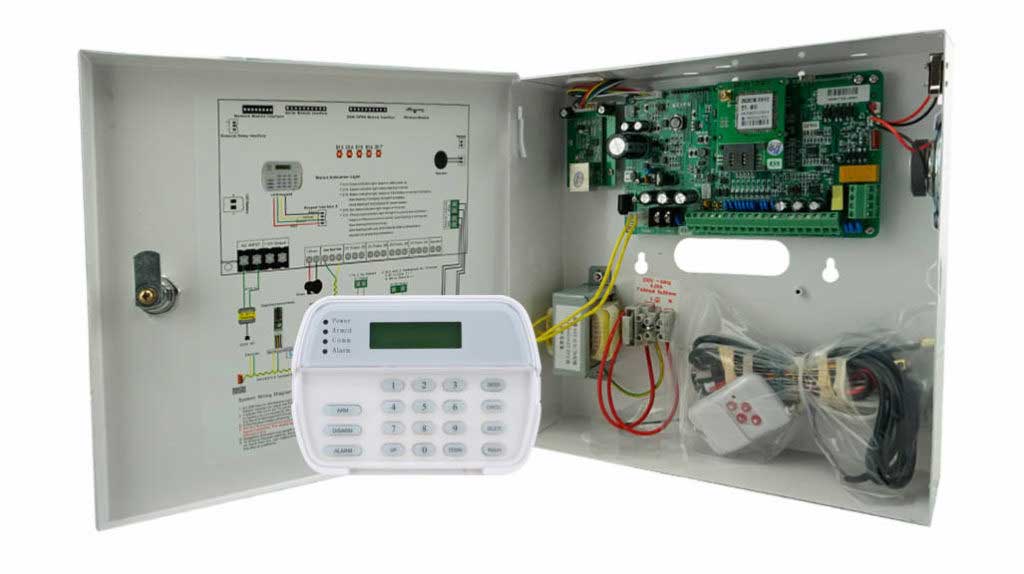
To build in flexibility, focus on segmenting hardware into independent modules. This enables modular upgrades that keep the core panel intact while refreshing peripherals.
- Isolate Critical Subsystems: Separate RF modules (for protocols like Z-Wave or LoRa), power supplies, and sensor interfaces. Use standardized connectors, such as PCIe or USB-C variants adapted for industrial use, to facilitate swappable components.
- Design for Scalability: Incorporate expansion slots for additional zones or integrations, ensuring the system can grow from basic residential setups to complex commercial networks.
Step-by-Step Guide to Implementing Modular Hardware
For product managers overseeing development, here’s a practical roadmap to integrate swappable components:
- Assess Current Design: Review your existing alarm panel blueprint. Identify monolithic elements, like soldered radios, and map out potential separation points.
- Select Standardized Interfaces: Choose open-standard connectors (e.g., MIPI for sensor boards) to avoid vendor lock-in. Document pinouts in your engineering specs for future reference.
- Prototype Modules: Build prototypes for key swappable components, such as a detachable LTE communicator. Test for electrical compatibility and heat dissipation.
- Conduct Field Trials: Deploy beta units in real-world scenarios, like a mid-sized office building, to validate upgrade processes. Measure time savings—aim for under 30 minutes per swap.
- Certify and Document: Submit modular elements for individual certification under standards like EN 50131 Grade 3. Provide installers with detailed manuals, including torque specs for connectors to prevent failures.
This method not only supports modular upgrades but also reduces service calls by enabling on-site fixes, a major relief for end-users facing downtime.
Software Strategies: Building Flexible, Updateable Frameworks
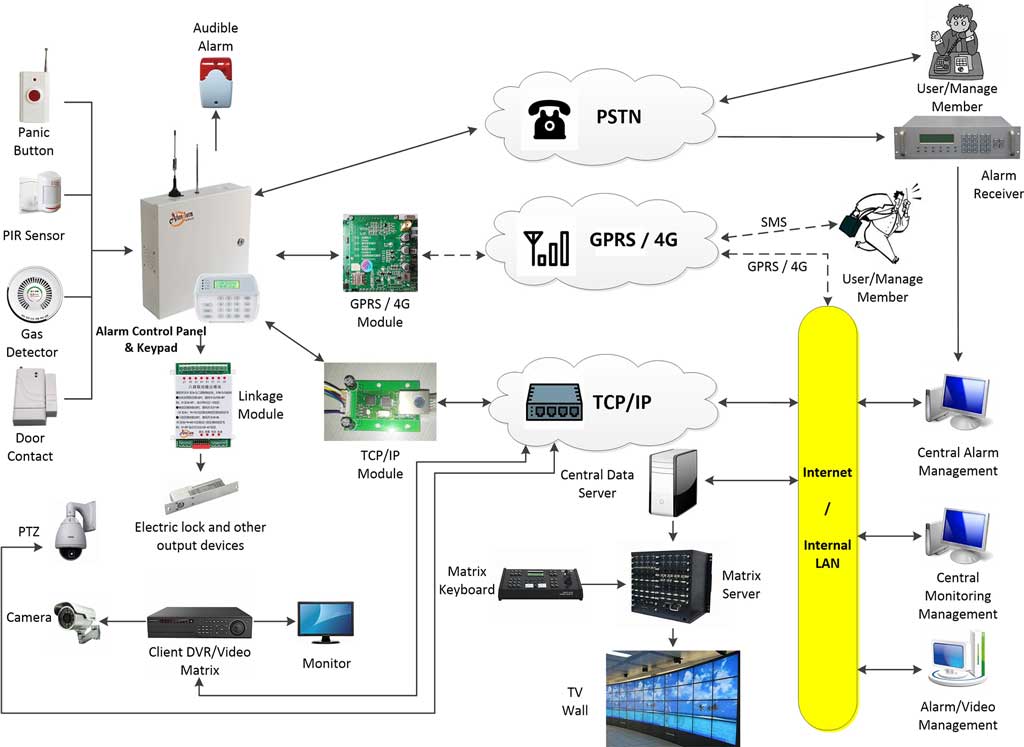
Software is where future-proof alarms shine, allowing non-disruptive enhancements to counter emerging threats like jamming attacks or IoT vulnerabilities. Backward compatibility in software ensures legacy devices remain functional, preventing the “rip-and-replace” dilemma that plagues many outdated systems.
Layered Architecture for Long-Term Flexibility
Adopt a decoupled structure to separate core functions from evolving features:
- Bootloader and HAL: Keep these stable to support hardware variations without rewriting alarm logic.
- Protocol Stacks: Design for multiple versions, enabling backward compatibility with older sensors while prioritizing encrypted modern ones.
Practical Steps for Secure Software Upgrades
Engineers can follow these steps to implement over-the-air (OTA) updates safely:
- Set Up a Secure Bootloader: Integrate a tamper-resistant bootloader that verifies firmware signatures before loading.
- Develop Modular Code: Use APIs to abstract hardware interactions, allowing new drivers for swappable components without core changes.
- Test Backward Compatibility: Simulate integrations with legacy devices, like 433MHz sensors, ensuring they operate alongside newer 868MHz models.
- Roll Out OTA Updates: Configure rollback mechanisms—if an update fails, automatically revert to the previous version. Monitor via cloud dashboards for issues.
- Audit and Certify: Run penetration tests per NIST guidelines, documenting compliance to build trust.
This framework has proven effective; for example, a 2024 case study from Honeywell showed that updateable software extended alarm lifespans by 5-7 years in high-threat environments.
Ensuring Backward Compatibility Without Sacrificing Security
Backward compatibility is crucial for market adoption, as it allows new panels to work with installed bases of detectors and keypads. However, it must not introduce weak links in the security chain.
Balancing Legacy Support with Modern Standards
- Dual-Mode Operations: Support older protocols in isolated modes, restricting them to low-risk zones.
- Gateway Solutions: Use external gateways to bridge legacy devices, preserving core system integrity.
In practice, this strategy helped a European integrator reduce upgrade costs by 30% while complying with updated EN 50136 transmission standards, as detailed in a SIA report.
Communication and Cybersecurity: Adapting to Evolving Threats
Future-proof alarms must handle shifts in communication tech, from 4G to 5G migrations, and anticipate cyber risks like ransomware targeting IoT networks.
Recommendations for Resilient Designs
- Multi-Path Communications: Incorporate redundant modules for cellular, Wi-Fi, and Ethernet, with auto-failover.
- Agile Security: Embed upgradable crypto chips to switch algorithms as threats evolve, aligning with ETSI EN 303 645.
Data from the FBI’s Internet Crime Complaint Center underscores this: alarm breaches rose 15% in 2023, often due to outdated encryption—modular upgrades mitigate this risk.
Operational Advantages and Cost Savings
For product managers, future-proof designs yield tangible benefits: lower R&D cycles, enhanced customer retention, and compliance agility. A UL study estimates that backward-compatible systems cut obsolescence-related expenses by up to 35%, freeing resources for innovation.
Conclusion: Embracing Change for Lasting Alarm Security
Future-proof alarms transform potential liabilities into assets by embedding modular upgrades, swappable components, and backward compatibility from the ground up. This discipline ensures systems deliver enduring protection, adaptability, and value—empowering engineers and managers to build solutions that stand the test of time.